
When shopping for a compressed sofa, the ideal choice depends on your space, comfort preferences, and long-term needs. Here are a few key factors to consider:
High-Density Foam: Opt for high-density foam for better support and durability. It ensures that the sofa retains its shape over time and provides long-lasting comfort.
Durable Fabrics: Look for cover materials such as polyester-blend fabrics, which are known for their durability and resistance to wear and tear.
Verify that the sofa comes with certified compression packaging that ensures safe shipping and avoids potential damage during transit. A well-packaged compressed sofa should expand fully within 72 hours of unboxing.
For small apartments or temporary living setups, a lightweight, easy-to-assemble compressed sofa offers excellent value without taking up too much space. These models often come with user-friendly instructions and require minimal setup.
Ensure that the sofa maintains its comfort and support over time. While many budget models may offer initial comfort, some may compromise on structural integrity, leading to sagging or loss of shape after prolonged use.
Always check the return policies and warranty terms before purchasing online. This is especially important for budget-friendly models, as they might not offer the same level of quality or customer support as premium options.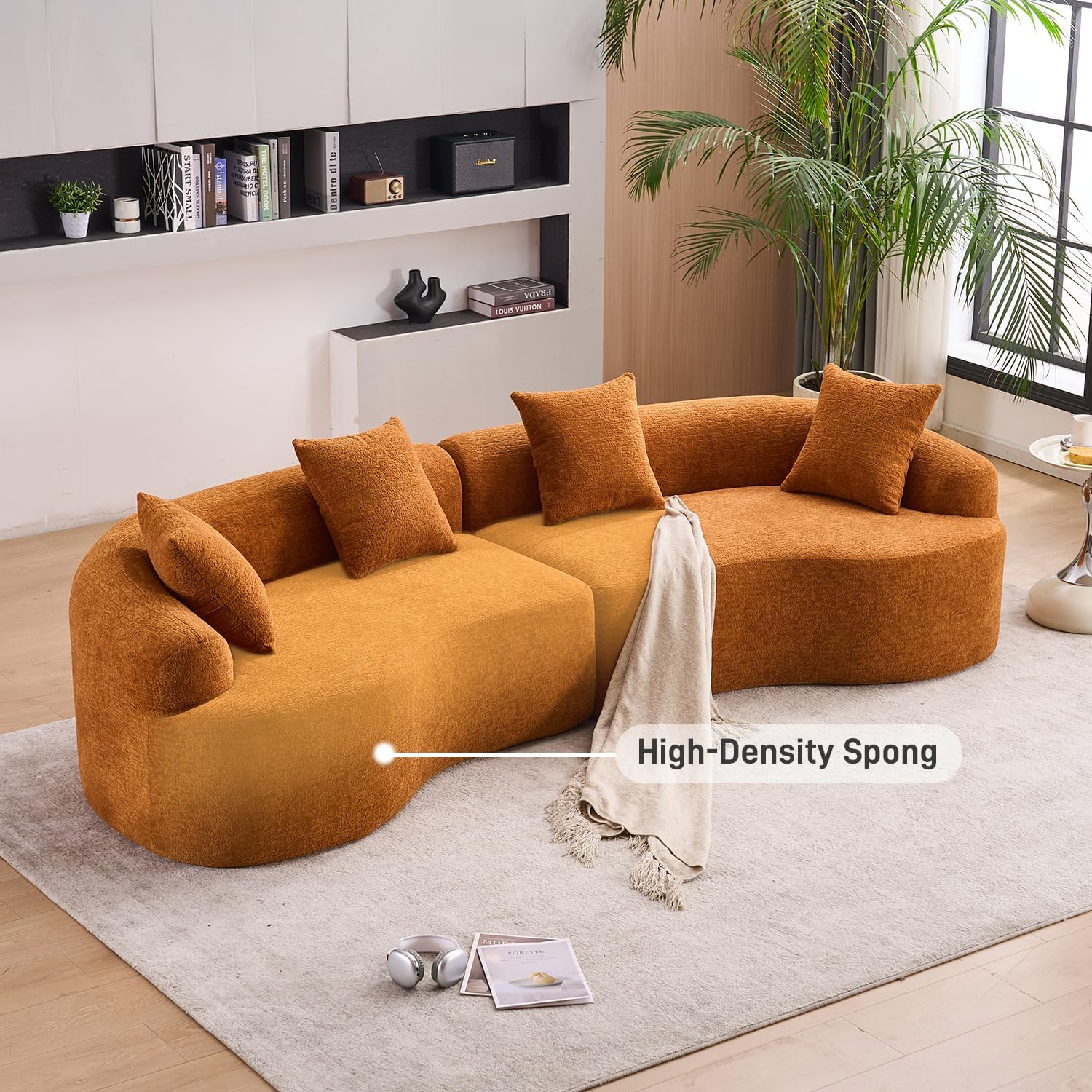
A compressed sofa is a type of ready-to-assemble (RTA) furniture designed to simplify shipping, reduce costs, and offer easy setup. These sofas are typically vacuum-sealed and tightly packed into a compact box, often one-third the size of a traditional sofa shipment. This compact packaging makes them more cost-effective to transport, particularly for online retailers or those shipping across long distances.
Once the sofa is removed from its packaging, it expands back to its original dimensions after several hours. The sofa's core is usually made from high-resilience polyurethane foam or memory foam, and it’s encased in a woven fabric cover that provides both durability and comfort.
Urban Apartments: Many people living in cities or smaller apartments prefer compressed sofas because they save on space and are easy to transport.
Dorm Rooms & Rental Properties: College students, renters, and people living in temporary housing often choose compressed sofas due to their portability, low assembly time, and affordability.
Frequent Relocators: For those who move often—such as young professionals or digital nomads—a compressed sofa is an ideal solution, offering easy transportation and minimal hassle during setup.
1. Cost-Effective Shipping and Logistics
Compressed sofas reduce shipping size by being vacuum-sealed, cutting shipping costs for both retailers and consumers. This compact packaging makes large furniture more affordable to transport.
2. Convenience and Accessibility
The small, lightweight packaging allows compressed sofas to fit easily into tight spaces, making them ideal for apartments or homes with narrow doorways and eliminating the need for bulky delivery services.
3. Space-Saving in Storage and Shipping
Compressed sofas are easy to store in small spaces like closets or under beds, making them a great solution for those with limited storage options.
4. Appeal to E-Commerce and Online Shopping
Compressed sofas can be sold online and shipped directly to customers, reducing transit damage and offering a more convenient shopping experience compared to traditional furniture.
5. Sustainability and Efficiency
By using less packaging and taking up less space in shipping containers, compressed sofas help reduce waste and carbon footprint, appealing to eco-conscious consumers.
6. Customization and Innovation in Materials
Manufacturers use advanced materials like memory foam and durable fabrics, offering customizable options such as firmness and fabric choices for a personalized and comfortable experience.
7. Perfect for Frequent Movers
Compressed sofas are ideal for renters, students, and people who move often due to their portability and easy-to-handle design.
8. Quick Setup and Easy Assembly
Once delivered, compressed sofas self-expand and can be set up in minutes, offering a hassle-free solution for consumers who prefer low-maintenance furniture.
9. Affordable and Accessible Options
Thanks to reduced shipping and storage costs, compressed sofas are often more affordable than traditional models, making them accessible to younger buyers, renters, and those on a budget.
10. Consumer Demand for Convenience
In today’s fast-paced world, compressed sofas offer a convenient, no-fuss solution for furniture shopping, appealing to consumers who value ease of delivery, storage, and setup.
11. Reducing Environmental Impact of Furniture Waste
With their durability and compact design, compressed sofas encourage more sustainable consumer behavior, helping to reduce furniture waste and the cycle of frequent replacements.
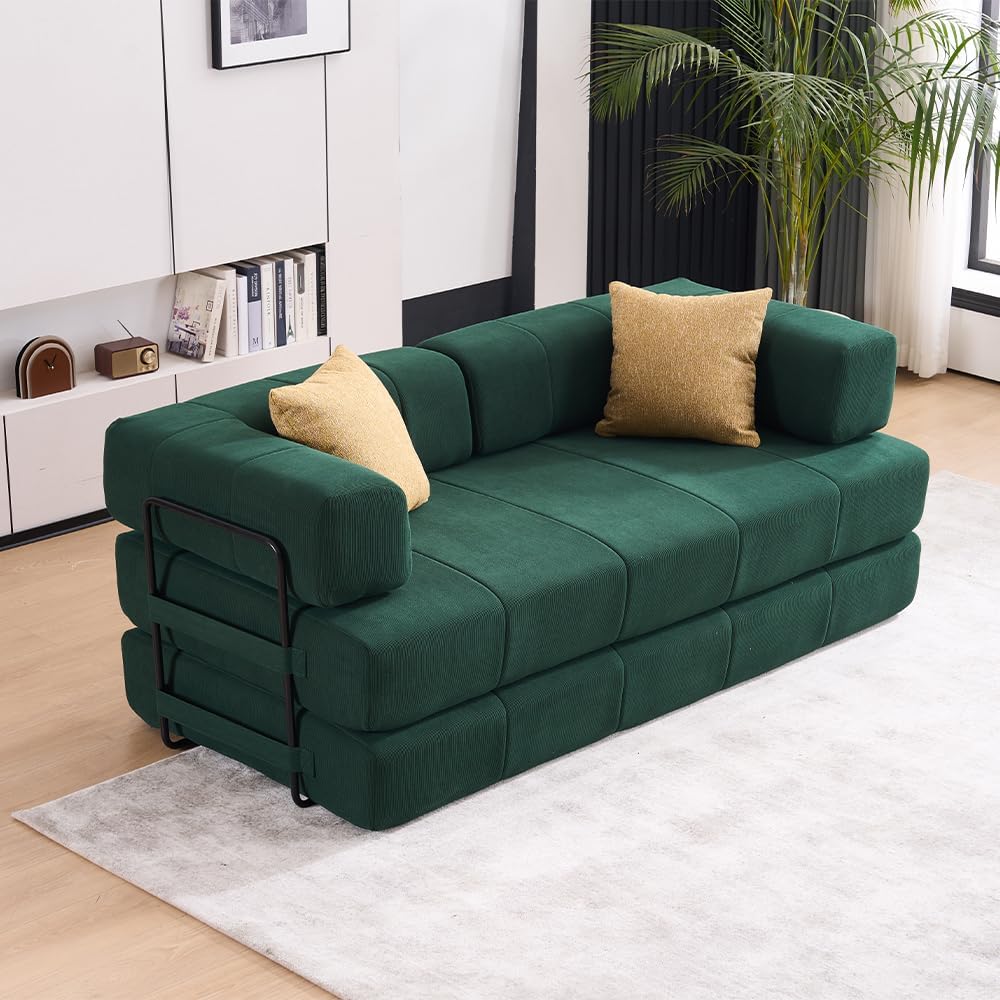
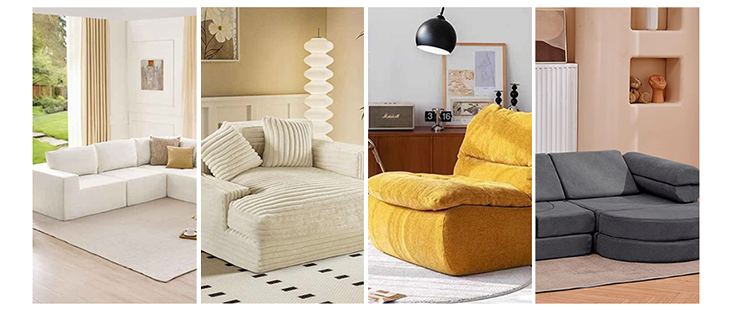
Compressed sofas come in various configurations, each catering to different needs, spaces, and lifestyles. Understanding the different types helps you make the right choice based on room size, functionality, and convenience.
Pros:
Compact footprint, ideal for smaller spaces like studios or bedrooms.
Easy to maneuver through tight hallways or doorways.
Cons:
Limited seating capacity, not suitable for hosting guests.
Ideal for:
Single occupants or couples who need a small lounging option.
Perfect for small apartments or rooms with limited space.
Packaging:
Most love seats are shipped in boxes under 30 inches wide.
Pros:
Fits three average adults comfortably.
Provides better value per seat compared to smaller options.
Common in mid-sized living rooms.
Cons:
Requires more space for expansion after unboxing.
Heavier than smaller models (typically 60–80 lbs).
Ideal for:
Families or those who frequently entertain guests but need a space-efficient solution.
Packaging:
Offers a balance of comfort and size efficiency, with reinforced frames or layered foam for improved longevity.
Pros:
Doubles as a guest bed, maximizing space in small homes.
Highly versatile for those needing a multifunctional piece.
Cons:
Thicker profile when expanded, requiring more space.
Longer setup time compared to regular sofas.
Higher price point due to added features.
Ideal for:
Homes or apartments with limited space for both seating and sleeping arrangements.
Guests or households in need of an occasional guest bed.
Packaging:
These often feature fold-out mechanisms beneath cushions. However, most compressed versions rely solely on foam expansion, with fewer mechanical parts.
Pros:
Customizable layout to suit various room configurations, such as L-shaped or U-shaped.
Ships in multiple small boxes, making it easier to fit into tighter spaces.
Cons:
Higher total cost due to the purchase of multiple units.
Potential color or texture mismatch between modules if purchased over time.
Ideal for:
Larger rooms or open-plan spaces that require flexible seating arrangements.
Families or groups who want a sofa that can be rearranged as needed.
Packaging:
Each sectional piece arrives separately compressed. Compatibility across modules must be ensured when buying additional pieces.
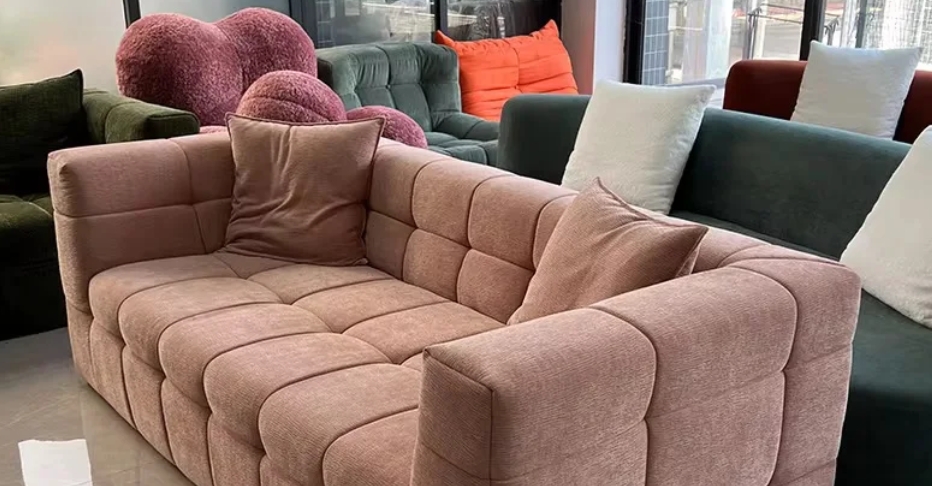
When selecting a compressed sofa, there are several key factors to consider to ensure it meets your needs, space, and expectations. Follow this step-by-step guide to make an informed decision:
Measure Your Room: Start by measuring your room’s dimensions to ensure the sofa will fit. Pay attention to both the floor space and ceiling height (for taller models).
Doorway Clearance: Check that your doorway width can accommodate the compact box. It’s important to ensure that the sofa can be easily brought into the room.
Expansion Space: Once expanded, make sure there’s at least 2 feet of clearance around the sofa for comfort and movement.
Daily Use: If the sofa will be used frequently (e.g., for lounging or watching TV daily), opt for a higher foam density (30 ILD or higher). This will ensure durability and comfort over time.
Occasional Use: For a sofa used less frequently (e.g., for guests or in a spare room), a softer foam option may be sufficient and will feel more plush right from the start.
Expansion & Returns: Check the return policy carefully. Some companies do not accept returns after the sofa has been expanded, or they may have restrictions on returns once opened.
Return Shipping: Confirm who is responsible for return shipping costs if you need to return the sofa after unpacking. Some companies offer free returns, while others charge a restocking fee.
Look for certifications that indicate the sofa meets safety and environmental standards:
CertiPUR-US®: Ensures the foam is free from harmful chemicals.
OEKO-TEX®: Guarantees that fabrics are tested for harmful substances.
GREENGUARD Gold: Ensures the sofa meets strict indoor air quality standards.
These certifications ensure you're buying a safe, non-toxic product that contributes to better air quality in your home.
Focus on Key Points: Look for reviews that address:
Odor duration: Some compressed sofas may have a slight chemical smell upon unpacking, so check how long it takes to dissipate.
Sagging after six months: Long-term durability is key, so ensure there are no reports of the sofa losing its shape or firmness.
Actual Size Accuracy: Make sure the sofa expands to the advertised dimensions. Some models may have discrepancies between the compressed and expanded sizes.
Ratings: Aim for reviews that have detailed feedback, particularly from people who’ve owned the sofa for a while.
Lack of Detailed Information: Be cautious of listings that rely only on stock photos without showing actual product images, especially if the specifications are vague.
Missing Specs: Ensure the product description includes details like foam density, cover material, and weight capacity. Missing specs can be a sign of incomplete or misleading information.
Unrealistically Low Prices: A price significantly below the market average may indicate lower quality, hidden fees, or a potential scam. Compare prices across multiple retailers to ensure you’re getting a fair deal.
Choosing a compressed sofa involves careful consideration of your space, usage needs, and product quality. By measuring your room, selecting the right foam density for comfort, checking certifications for safety, and reading authentic customer reviews, you can ensure your purchase meets your expectations. Avoid red flags like vague descriptions or unusually low prices, and always review the return policy before finalizing your purchase.
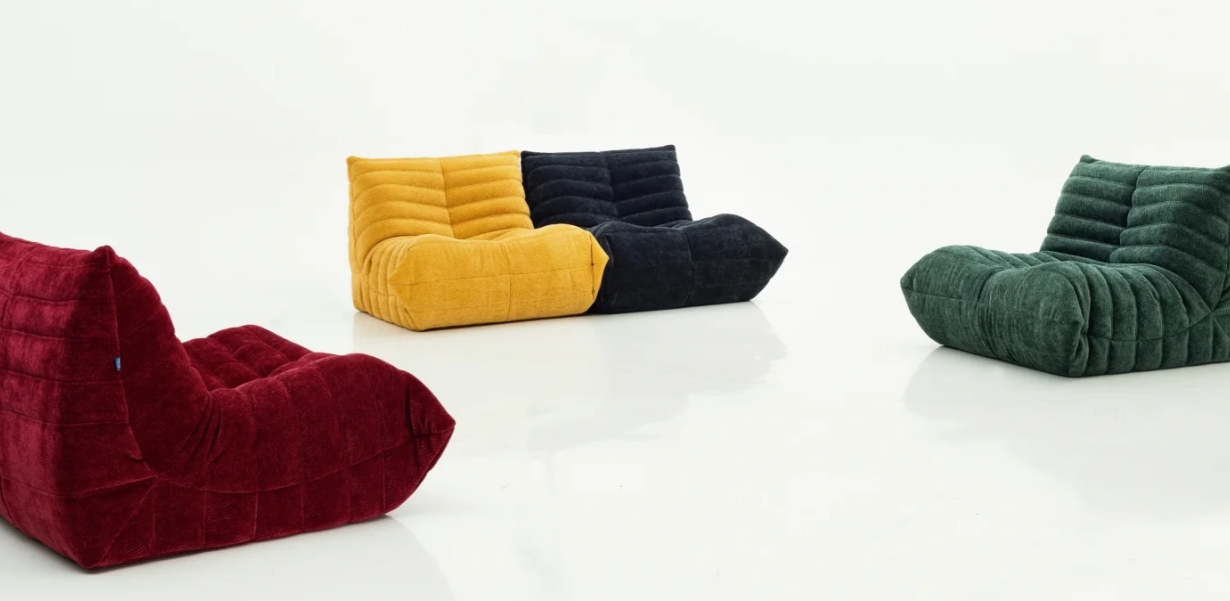
Compression Sofas China Source Factory - KINGSEN Foam
KINGSEN is a professional manufacturer with over 20 years of experience in designing and producing high density foam products and compression sofas. the main prodcuts include: Modular Sectional Sofas, Sofa Beds, Bean Bag, Kids Couch & Climbing Play .etc. We supply full custom service, including developing OEM & ODM projects. all products can be customized by material, size, color, logo, and more. Our company owns 25000m2 factory area and more than 200 sets of advanced manufacturing equipments, Perfect and rigorous QC system. Also, we have passed the ISO9001: 2015, BSCI, IAF Quality Management System Certification. We look forward to your visit and the opportunity to build a successful partnership together.

KINGSEN is dedicated to providing superior service.
Welcome tocontact us with any questions or inquiries.


