Choosing a new sofa for your home is an exciting decision! When you start shopping, you'll encounter two main types: the traditional sofa and the boneless sofa. These two styles are quite different, and picking the right one is essential for both your comfort and your budget.
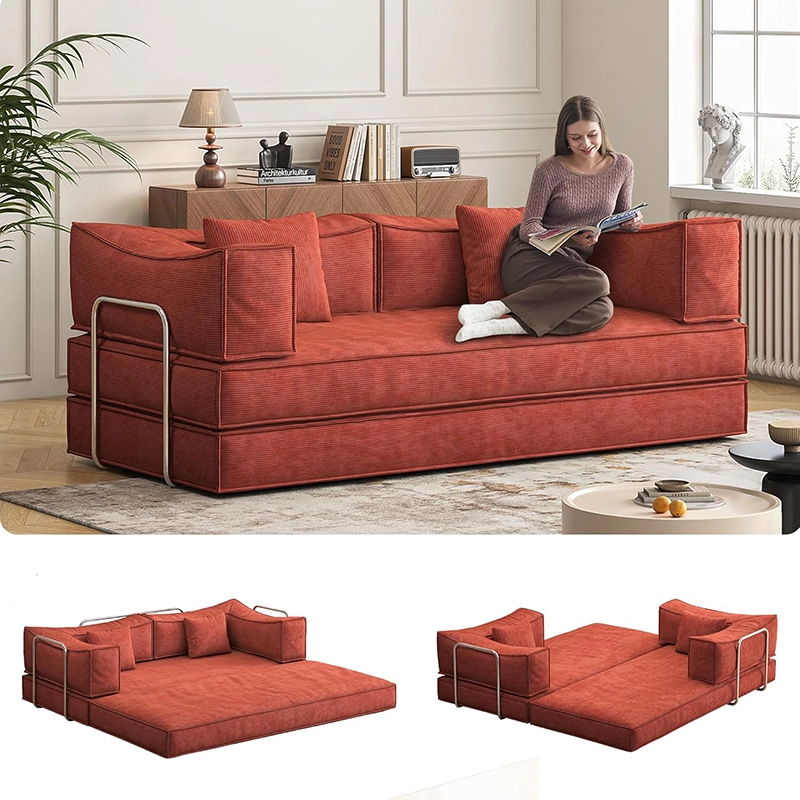
A traditional sofa features a sturdy, solid frame, usually made of wood or steel. In contrast, a boneless sofa—often referred to as a cloud foam compression couch—offers a more modern design. It doesn’t have a rigid frame. Instead, its shape and support come from thick foam blocks or modular components.
With 20 years of experience, KINGSEN, a leading boneless sofa manufacturer, provides all the insights you need on comfort, durability, and value to help you make the right choice. This guide is perfect for apartment dwellers, families, and design lovers seeking a sofa that fits their lifestyle. By comparing comfort, durability, space needs, and everyday usability, you’ll find the ideal sofa for your home and relaxation style.
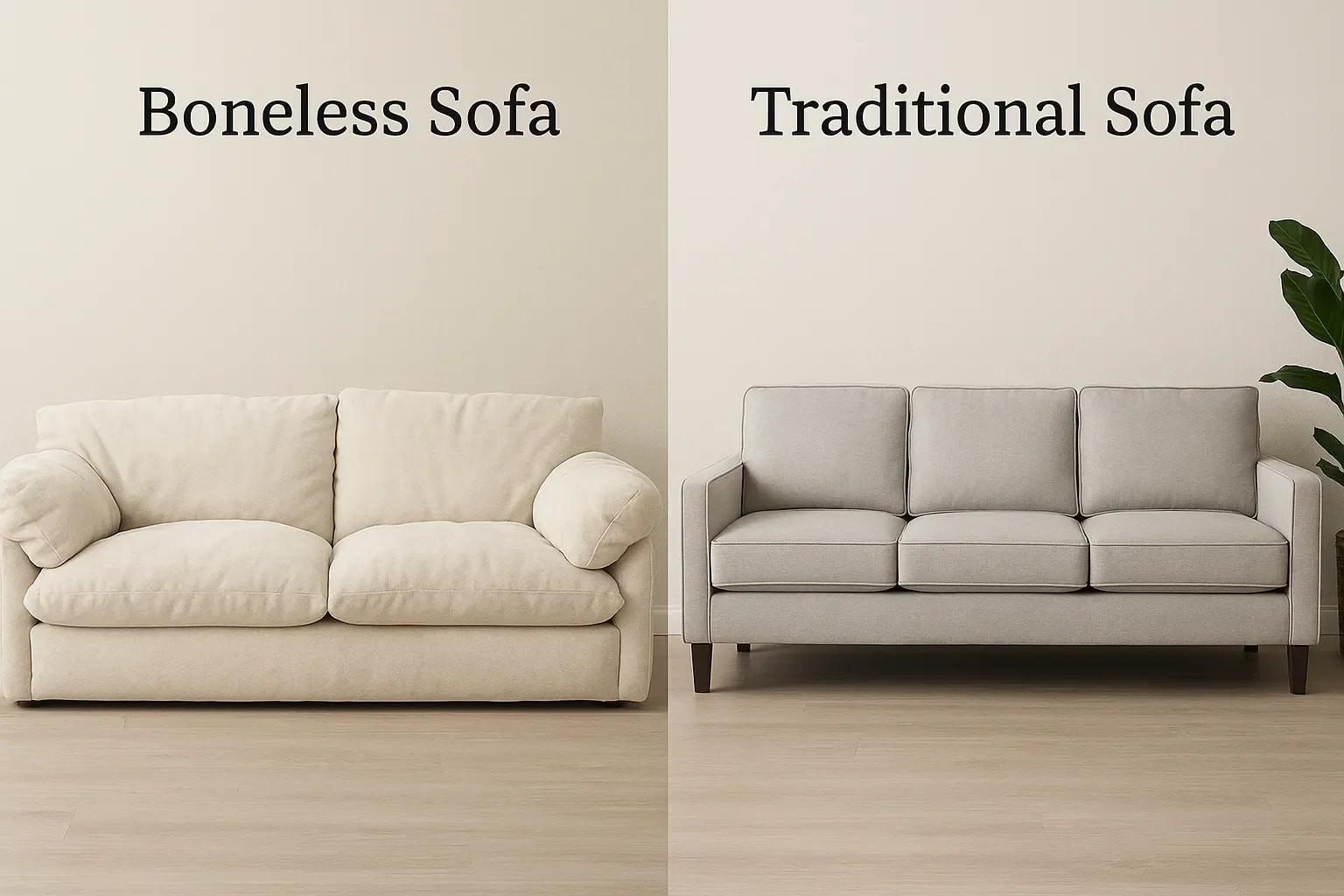
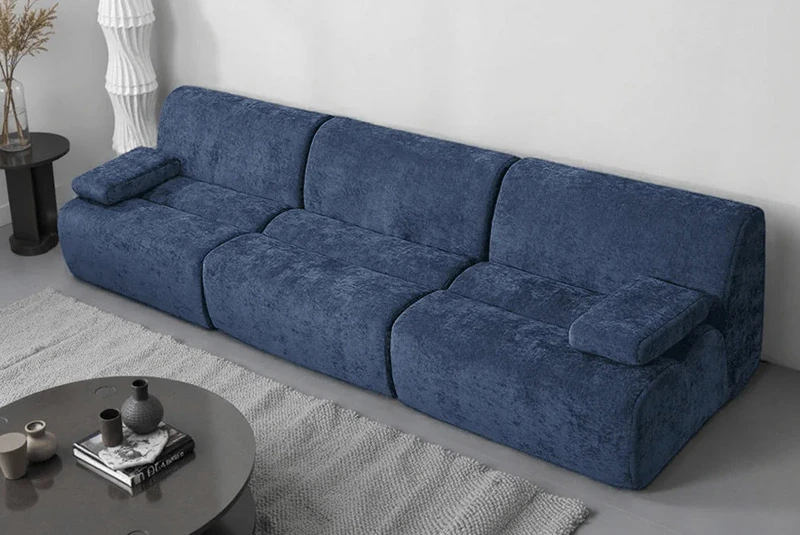
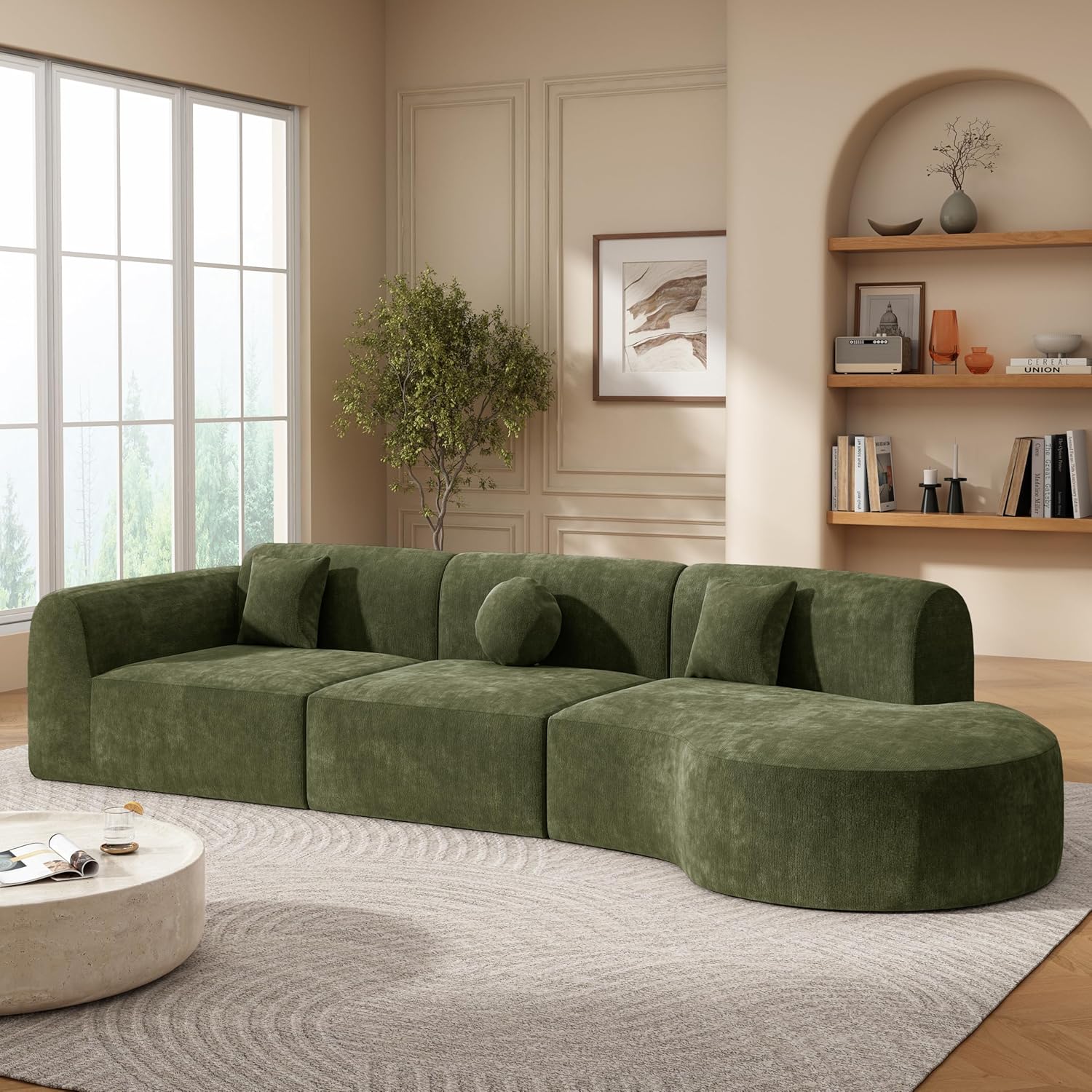
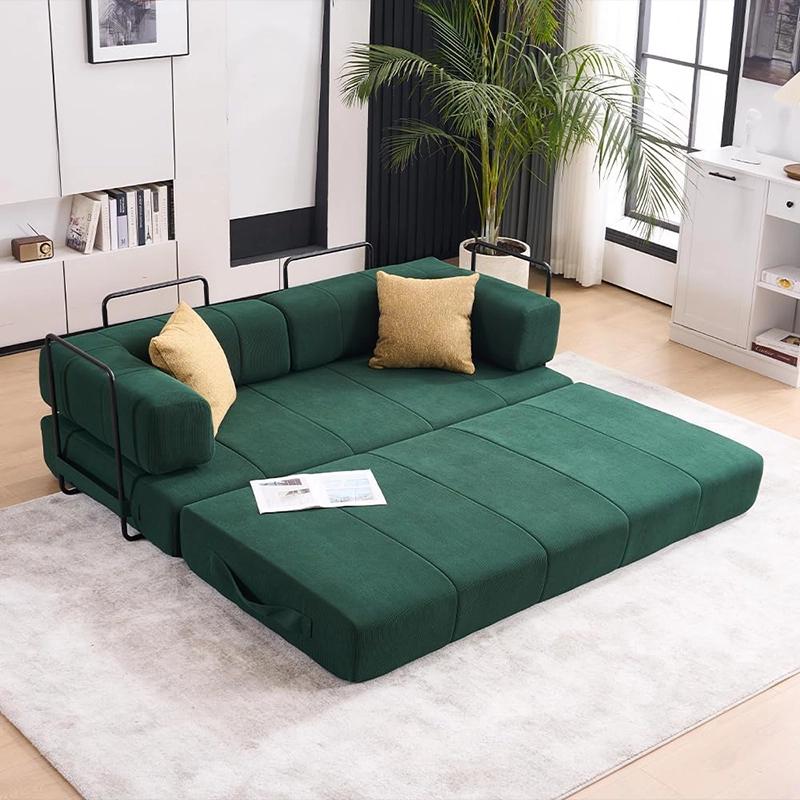
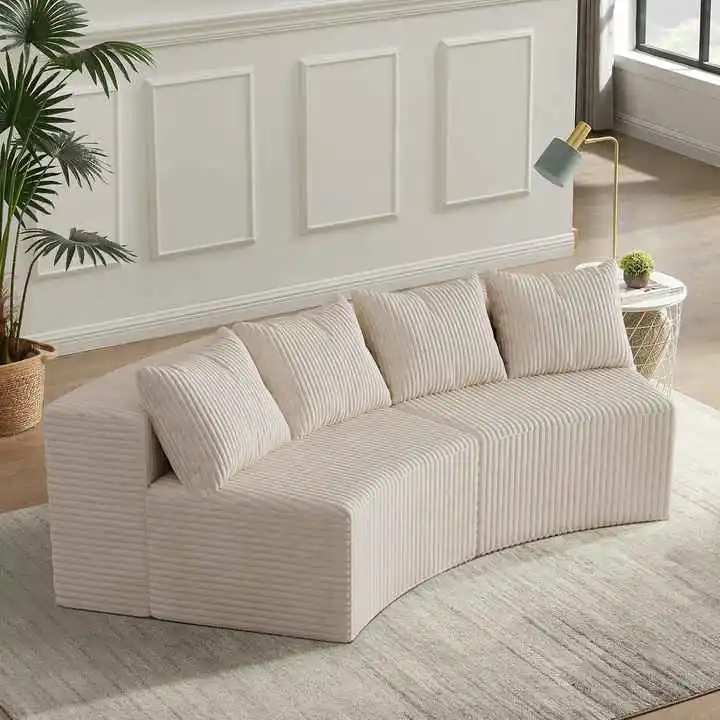
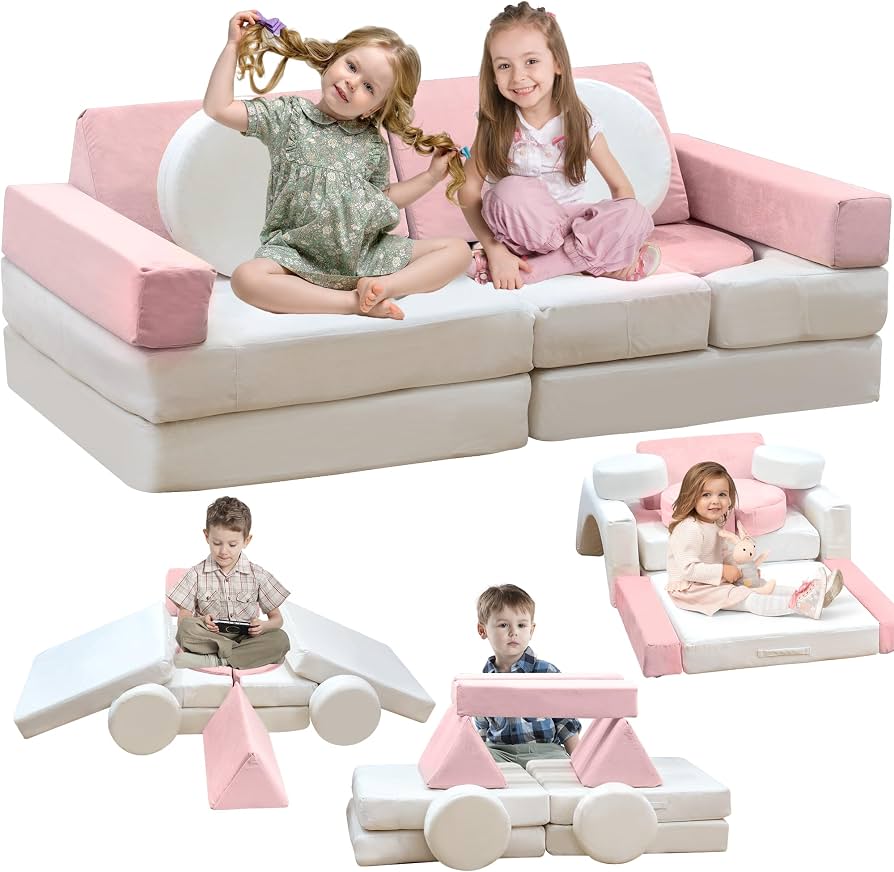
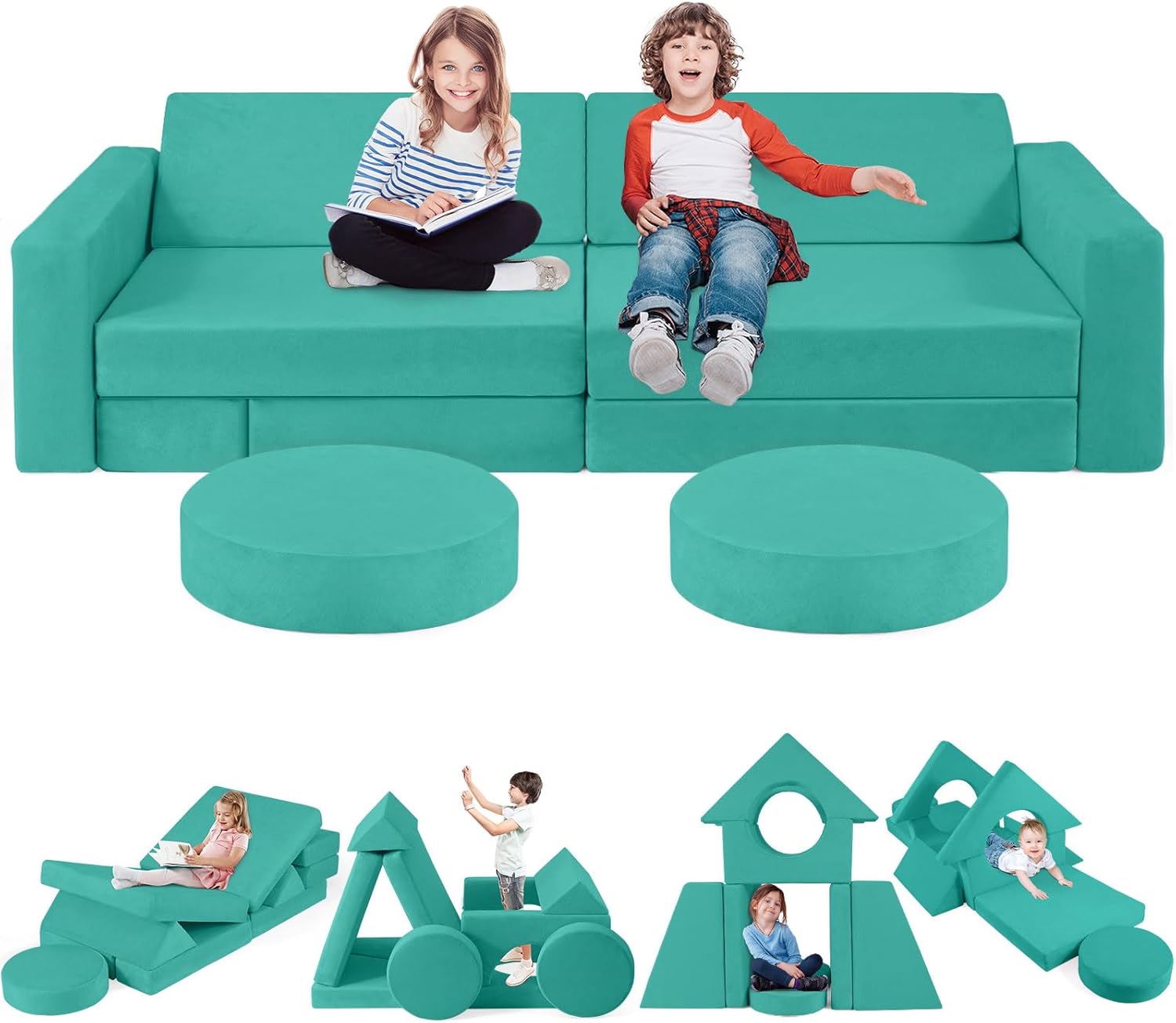
A boneless sofa is constructed using high-density, high-resilience foam modules or spring packs, relying entirely on foam for support. It has no metal or wooden frame. The quality of the foam is key to its comfort and longevity, determining how well the sofa holds up over time without becoming soft or sagging. Due to the foam blocks, these sofas are often vacuum-compressed for easier shipping, similar to a mattress in a box, Learn more about how Vacuum Compressed Packaging cuts your shipping costs by 80%
A traditional sofa features a sturdy, rigid frame made from materials like solid wood, plywood, or metal. The frame is reinforced with springs—either serpentine or pocket springs—that provide support for the cushions. This solid structure helps the sofa maintain its shape over time. Traditional sofas often have multiple layers of padding, made from materials such as foam, down, or silk floss, secured to the frame for added comfort.
The main difference between the two is in their construction. Traditional sofas have a solid frame, springs, and firmer cushions, which provide more structure and support for an upright sitting position. Boneless sofas, on the other hand, rely solely on foam, creating a lower, deeper seat with a more relaxed feel. These sofas encourage lounging—whether stretching out, curling up, or lying back.
In terms of style, boneless sofas have a soft, casual look that complements modern and cozy spaces. Traditional sofas, with their structured design, are better suited for environments where a more upright seating posture is preferred.
| Feature | Boneless Sofa | Traditional Sofa |
|---|---|---|
| Structure | Foam-based construction, no frame | Solid wood or metal frame |
| Seating Feel | Soft, sink-in, relaxed | Firmer, supportive, upright |
| Best For | Lounging, TV time, casual seating | Long sitting sessions, hosting, posture |
| Support Level | Flexible, laid-back support | Structured, consistent support |
| Durability Factor | Depends on foam density and quality | Relies on frame strength and cushion build |
| Lifespan | Medium to long (with high-density foam) | Long (with solid frame construction) |
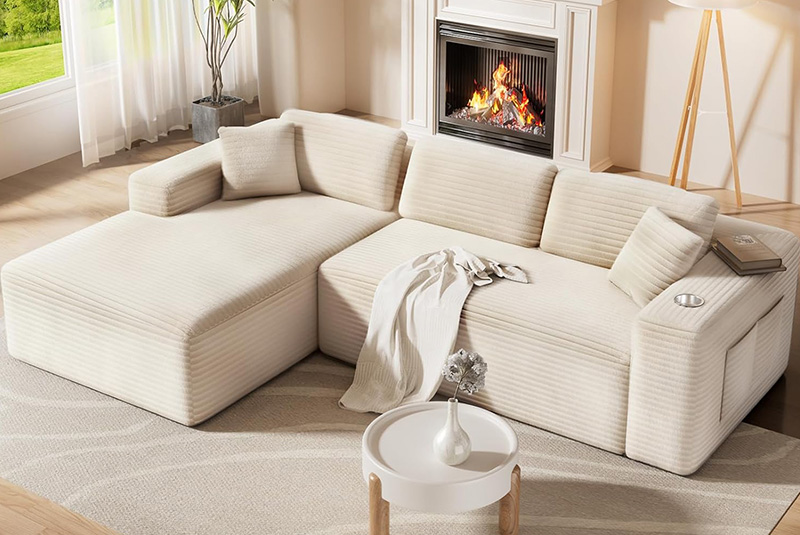
Without a rigid frame, the foam itself provides both support and shape. Higher-density foam models maintain their structure better and recover well from daily use. This construction is widely used in our Modular Sectional Sofas, allowing for endless layout possibilities
The frame defines the sofa's silhouette and structural lifespan, while springs and padding provide support for a firm, comfortable seat.
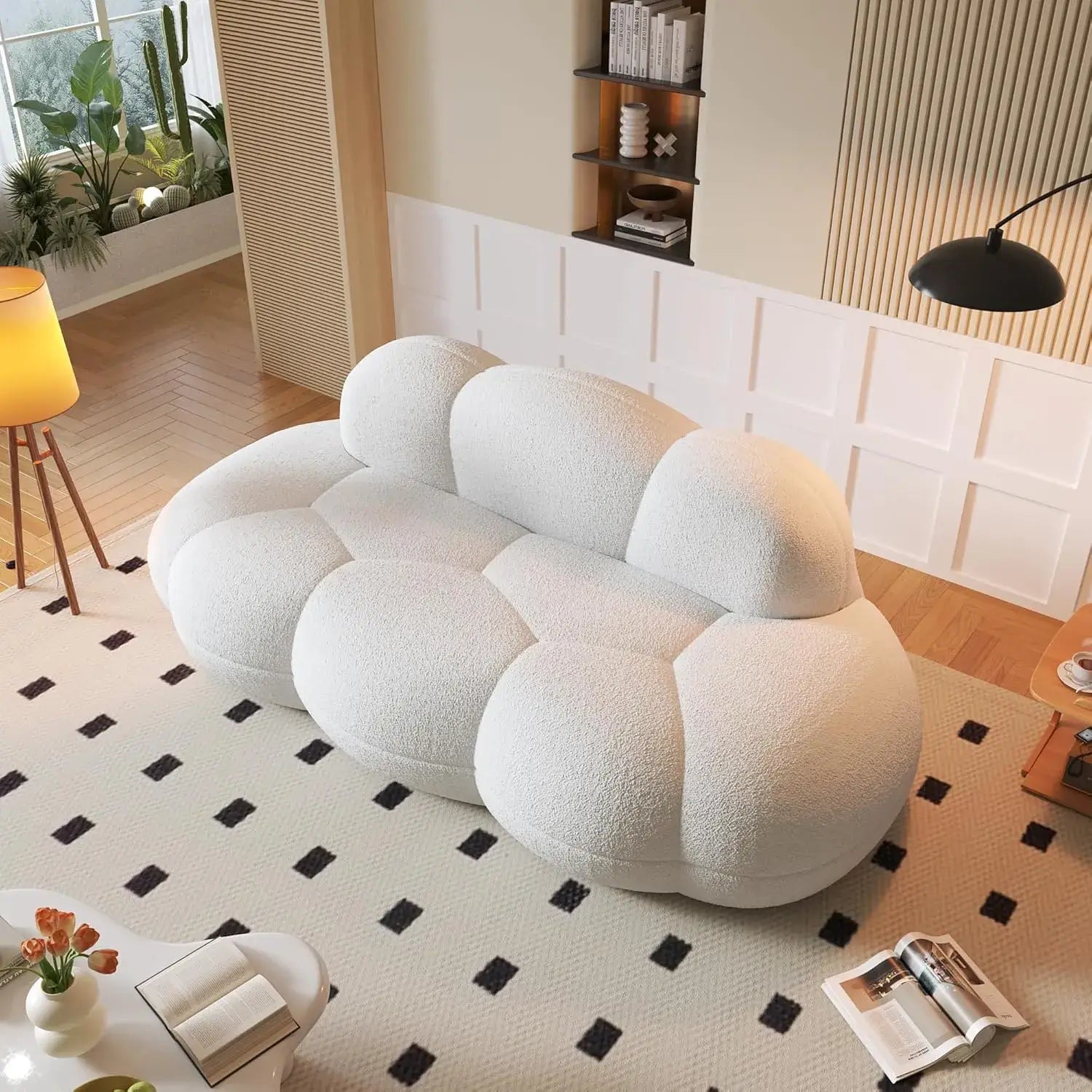
Choosing between a boneless sofa and a traditional sofa depends on how you like to relax at home. While both can look great, their feel and functionality differ significantly.
Boneless sofas are all about soft, sink-in comfort, ideal for lounging, stretching out, or curling up. They offer a relaxed, casual vibe for movie nights or chilling out, for the ultimate lounging experience, check out our Chaise Lounges.
Traditional sofas offer firmer, more structured seating that supports upright posture, making them better for reading, chatting, or working. They provide a stable, supportive feel that’s great for long sitting sessions.
Boneless sofas are best for casual lounging, but they offer limited support for long periods of sitting upright. They’re perfect for relaxing, but not ideal for extended hours of upright seating.
Traditional sofas provide more posture support, with defined backrests and a solid structure that keeps you comfortably upright. They’re better suited for long sitting or hosting guests.
Boneless sofas rely on foam density and quality. High-density foam lasts 5-8 years with regular use, while lower-quality foam may wear out in 2-4 years. Fabric durability also affects longevity.
Traditional sofas, with solid wood or metal frames, are built to last 10-15 years or more. Even though cushions soften over time, the frame remains strong, making them a more durable option.
Boneless sofas work well in modern, minimalist, and smaller spaces with their low profiles and soft curves. They fit casual, relaxed interiors.
Traditional sofas are classic and structured, with defined arms and legs. They’re ideal for formal living rooms or spaces that require a polished, timeless look.
Boneless sofas often feature removable covers, making cleaning easier and allowing you to swap covers to refresh the look.
Traditional sofas usually have fixed upholstery, requiring spot cleaning or professional care for deeper stains. Regular fluffing and cushion rotation are needed to maintain comfort.
Boneless sofas are more affordable, with entry-level models priced around $600-$1,200. Higher-end models range from $1,500-$3,000, offering better foam quality and durability.
Traditional sofas range widely from $700-$1,500 for budget options to $2,000-$5,000+ for well-built, premium designs. Their sturdy frames make them a longer-lasting investment.
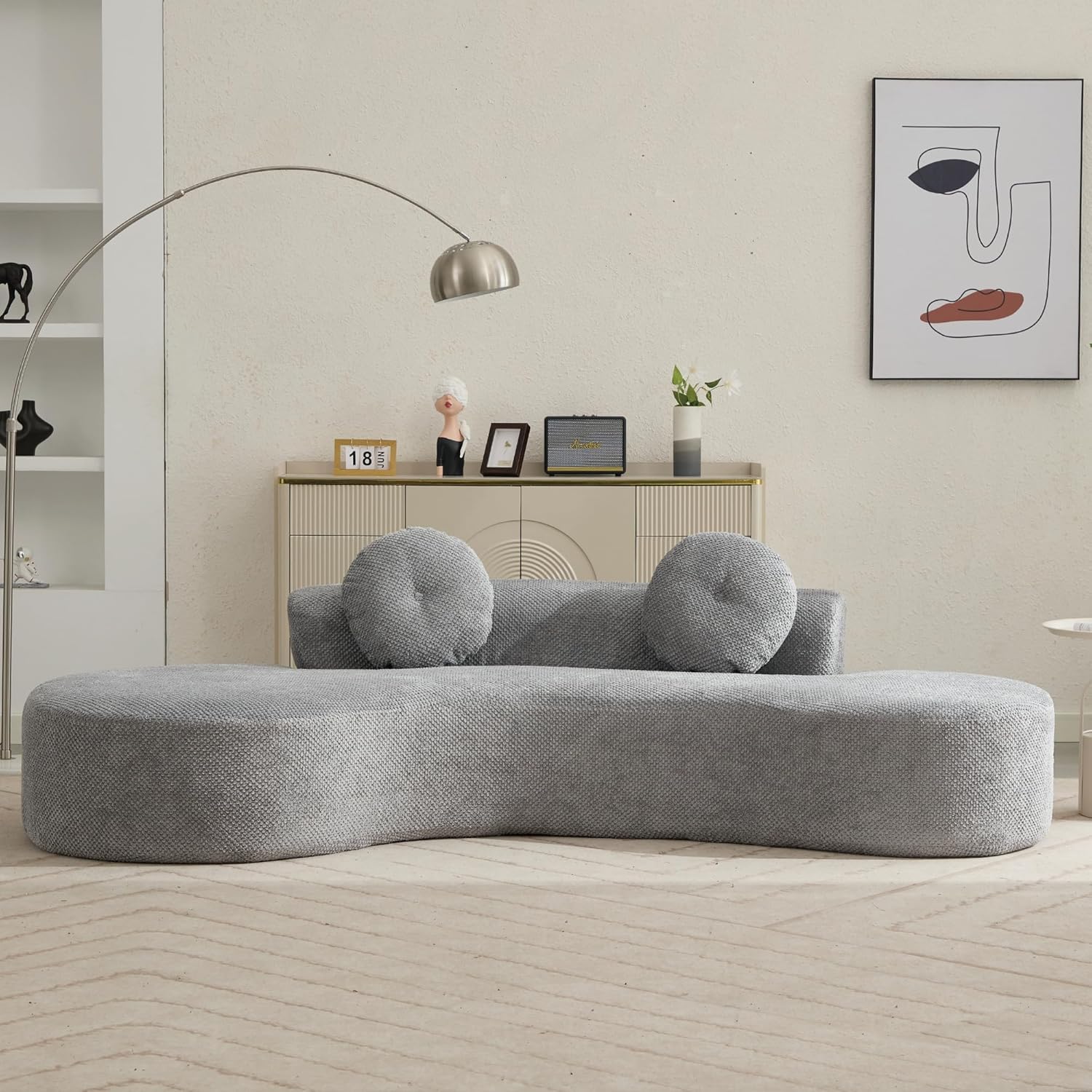
Not sure which sofa suits your lifestyle? Here’s a quick guide to help you decide without overthinking it.
Boneless Sofas: Not ideal if you need firm support, higher seat height, or more structured posture.
Traditional Sofas: Can be bulky if you move frequently or dislike heavy furniture.
A: You can, especially for casual lounging, watching TV, or reading. However, if you need firm support for long upright sitting, it may not be ideal without extra pillows or back support.
A: Not necessarily. Boneless sofas provide less structured lumbar support than traditional sofas, but adding pillows or adjusting your posture can make it comfortable for everyday use.
A: Comfort depends on foam quality and density. High-quality, high-density foam can keep a boneless sofa cozy for several years, while lower-density foam may soften or sag sooner.
A: Yes, if your lifestyle is casual and relaxed. Boneless sofas are great for lounging, families, and small spaces, but if you need structured seating or plan to sit upright often, a traditional or modular sofa may be better. Our 2-3 Seater Sofas are specifically designed to serve as a stylish and comfortable main couch for modern living rooms
A: Not if it uses high-density foam. KINGSEN’s products use 30D+ density foam, ensuring the sofa remains supportive and retains its "cloud-like" feel for 5-10 years.
Choosing between a boneless sofa and a traditional sofa ultimately depends on your lifestyle, space, and how you like to unwind at home. Boneless sofas offer soft, casual comfort and flexibility, making them perfect for lounging, small apartments, or a modern, relaxed atmosphere. Traditional sofas, on the other hand, provide structured support, durability, and a classic look, making them ideal for long-term seating and formal living spaces.
Rather than following trends, select the sofa that fits your daily routine and comfort preferences. Ready to experience cloud-like lounging? Explore modern boneless sofa options at kingsenfoam.com and bring lasting comfort and style to your living room today.
More details: https://www.kingsenfoam.com/

KINGSEN is dedicated to providing superior service.
Welcome tocontact us with any questions or inquiries.