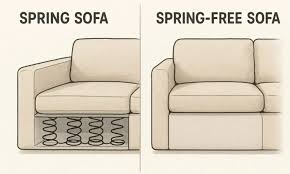
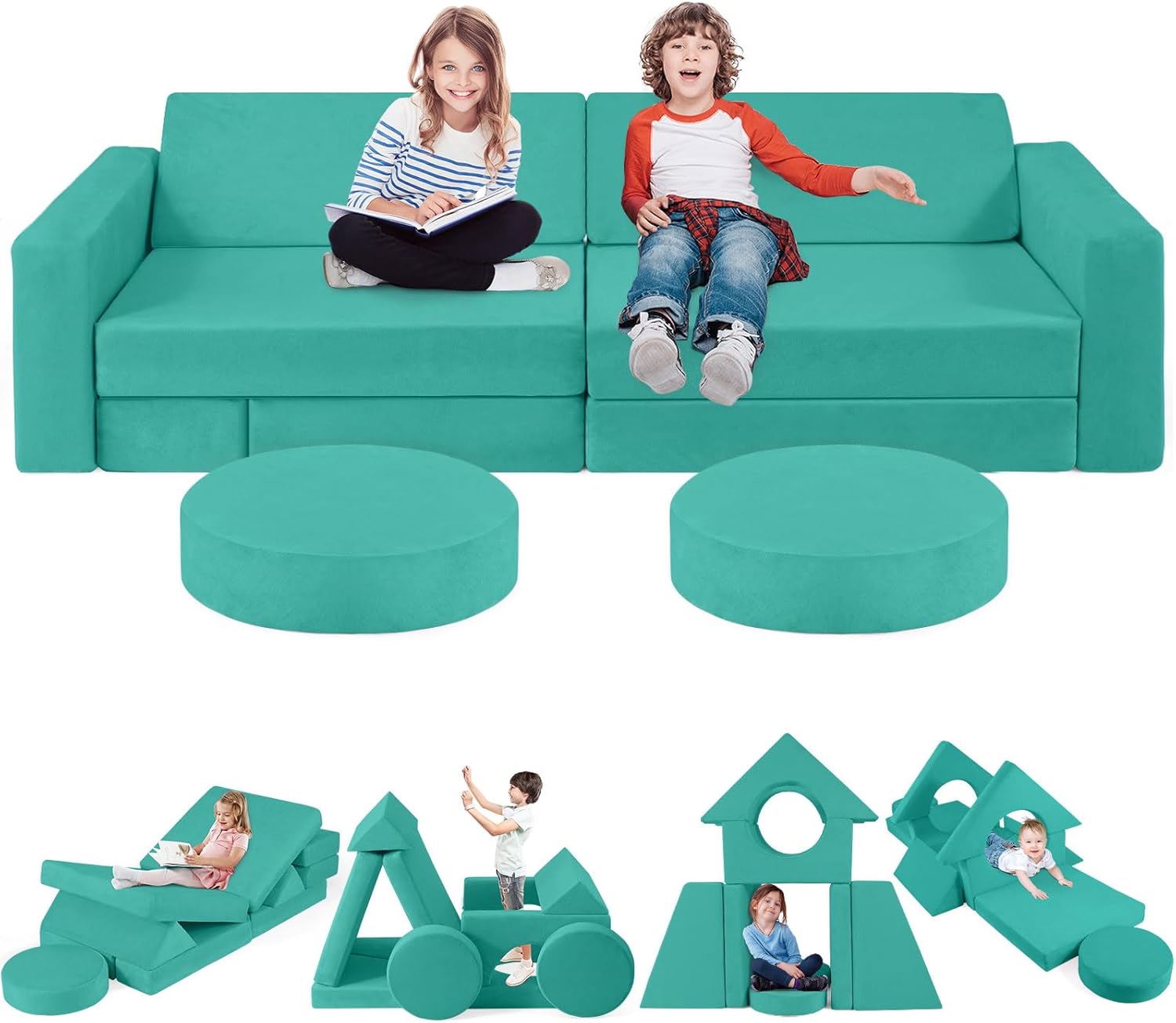
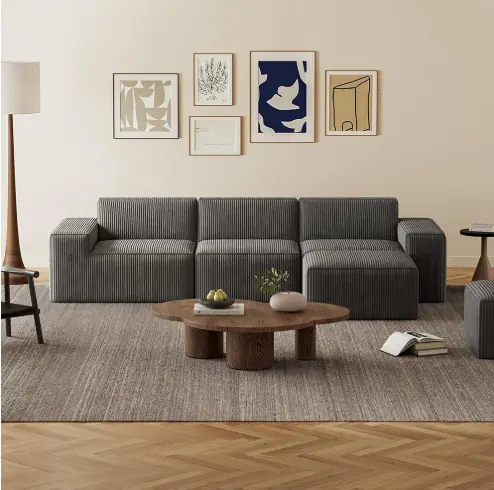
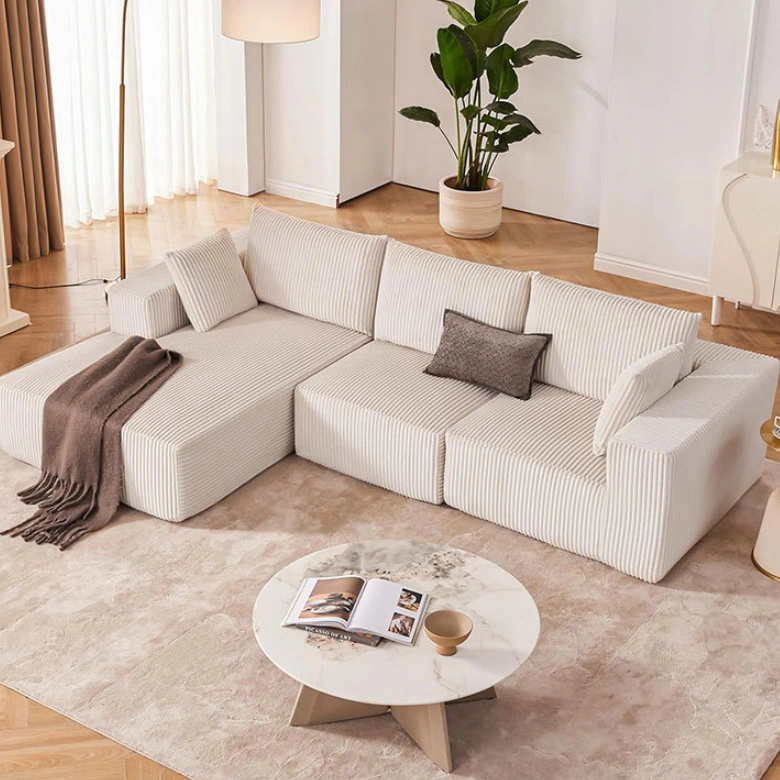
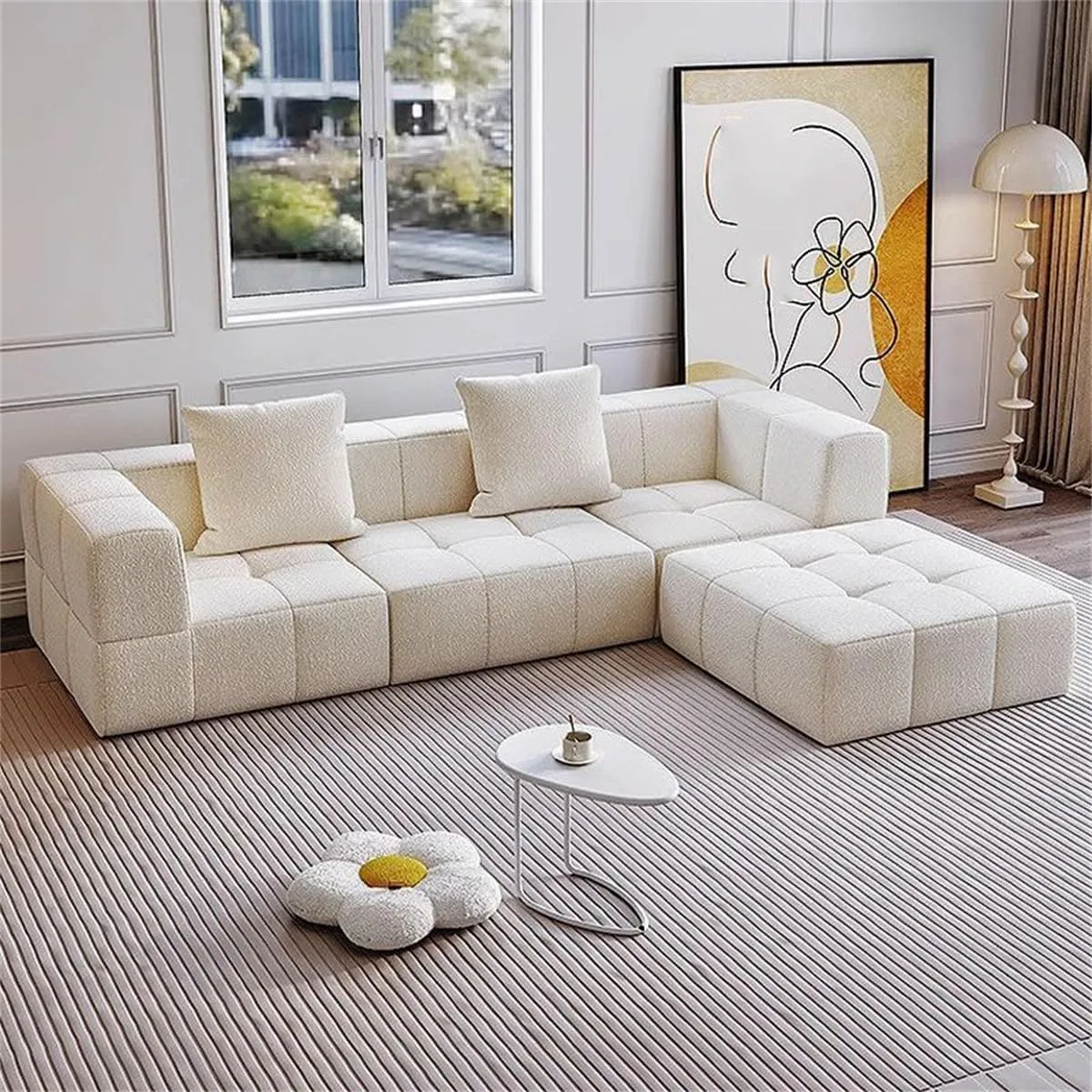
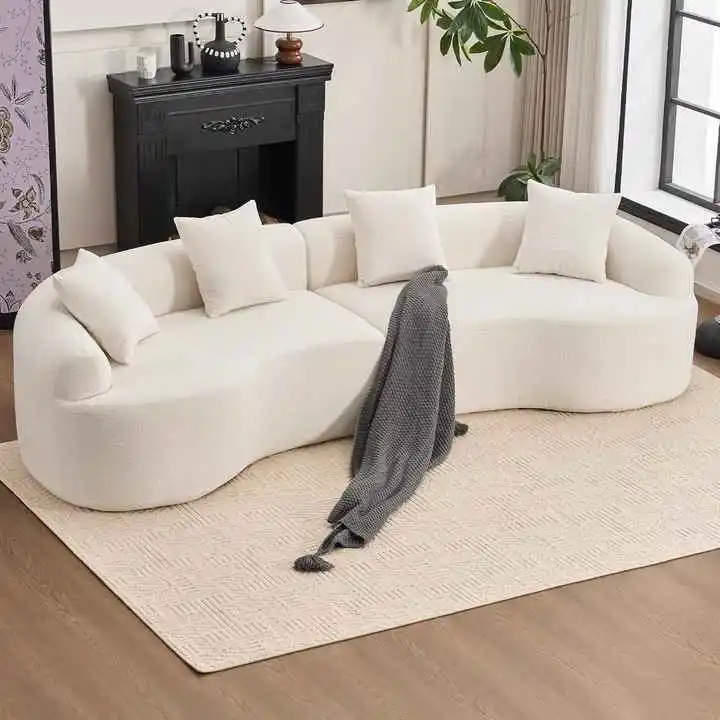
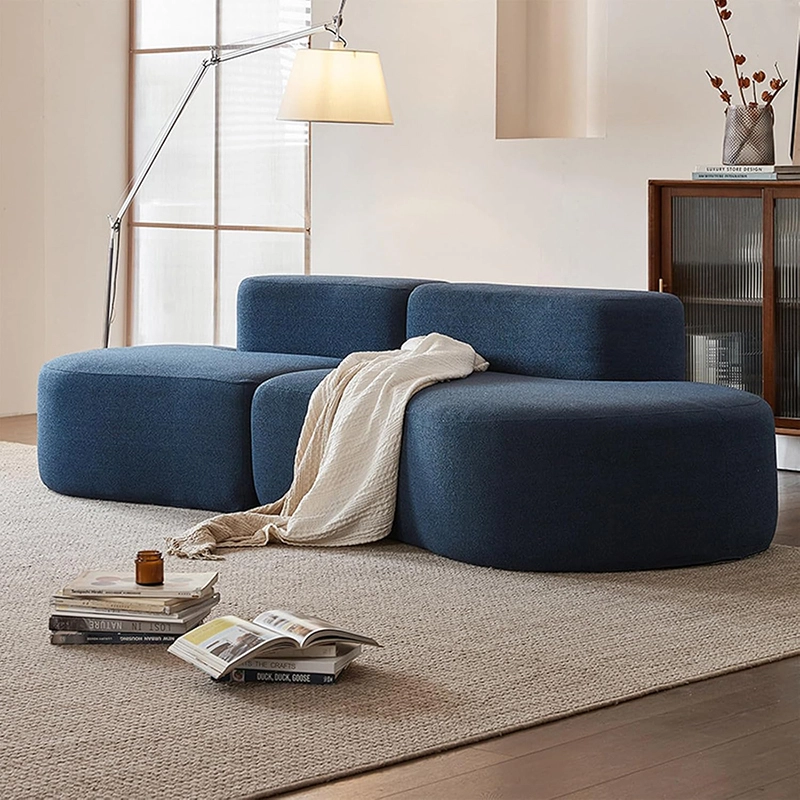
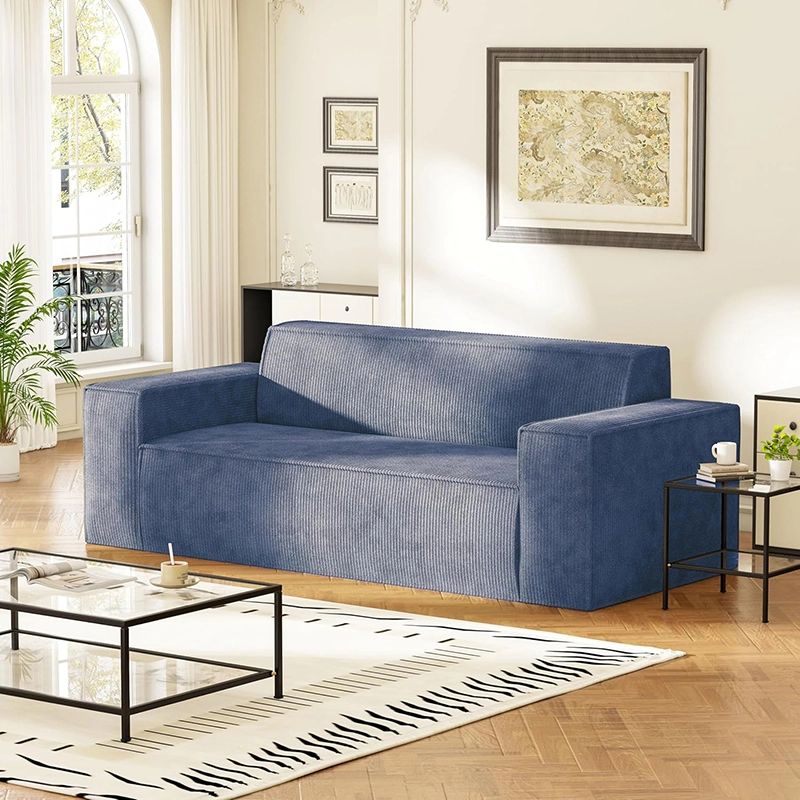
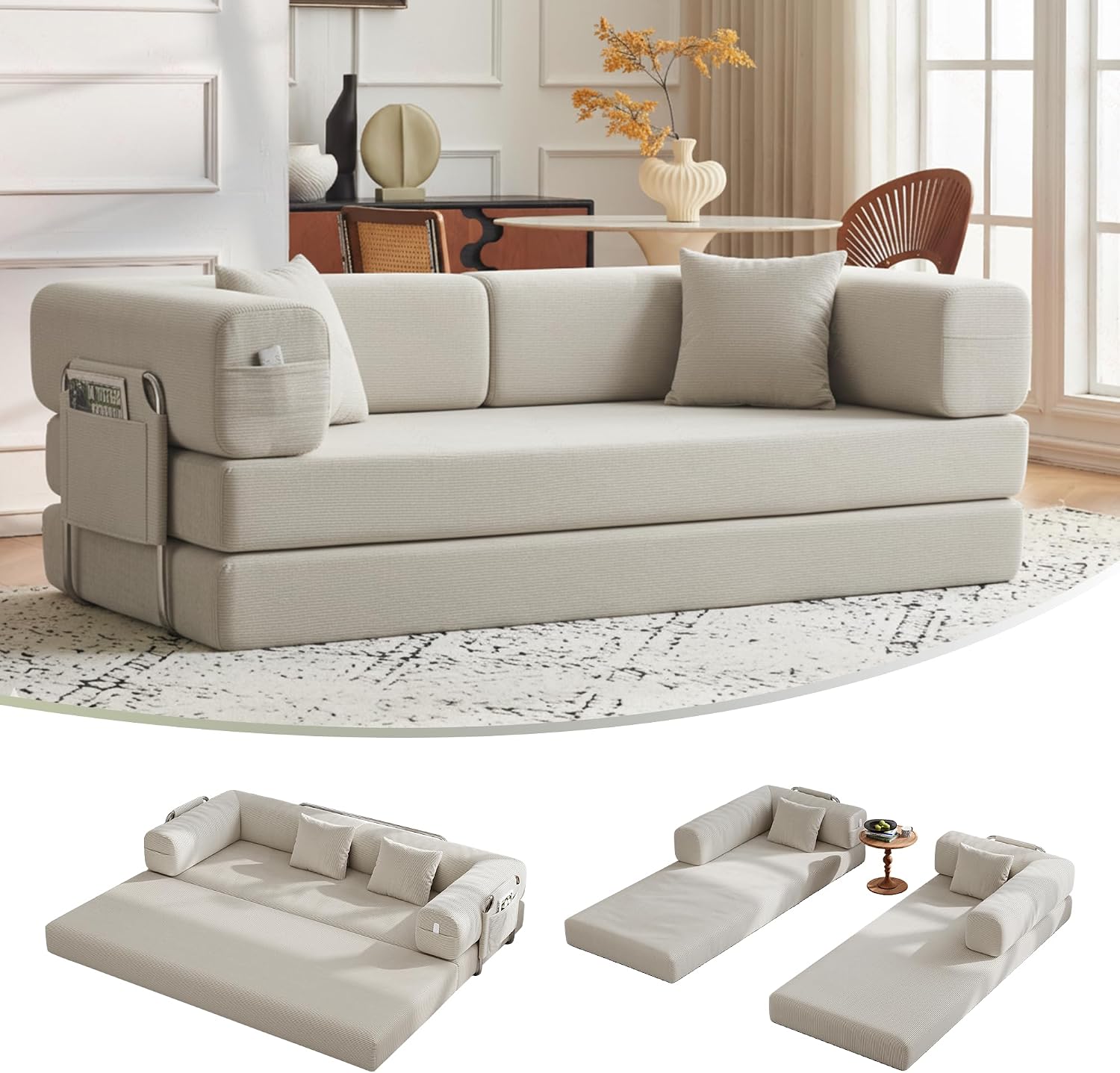
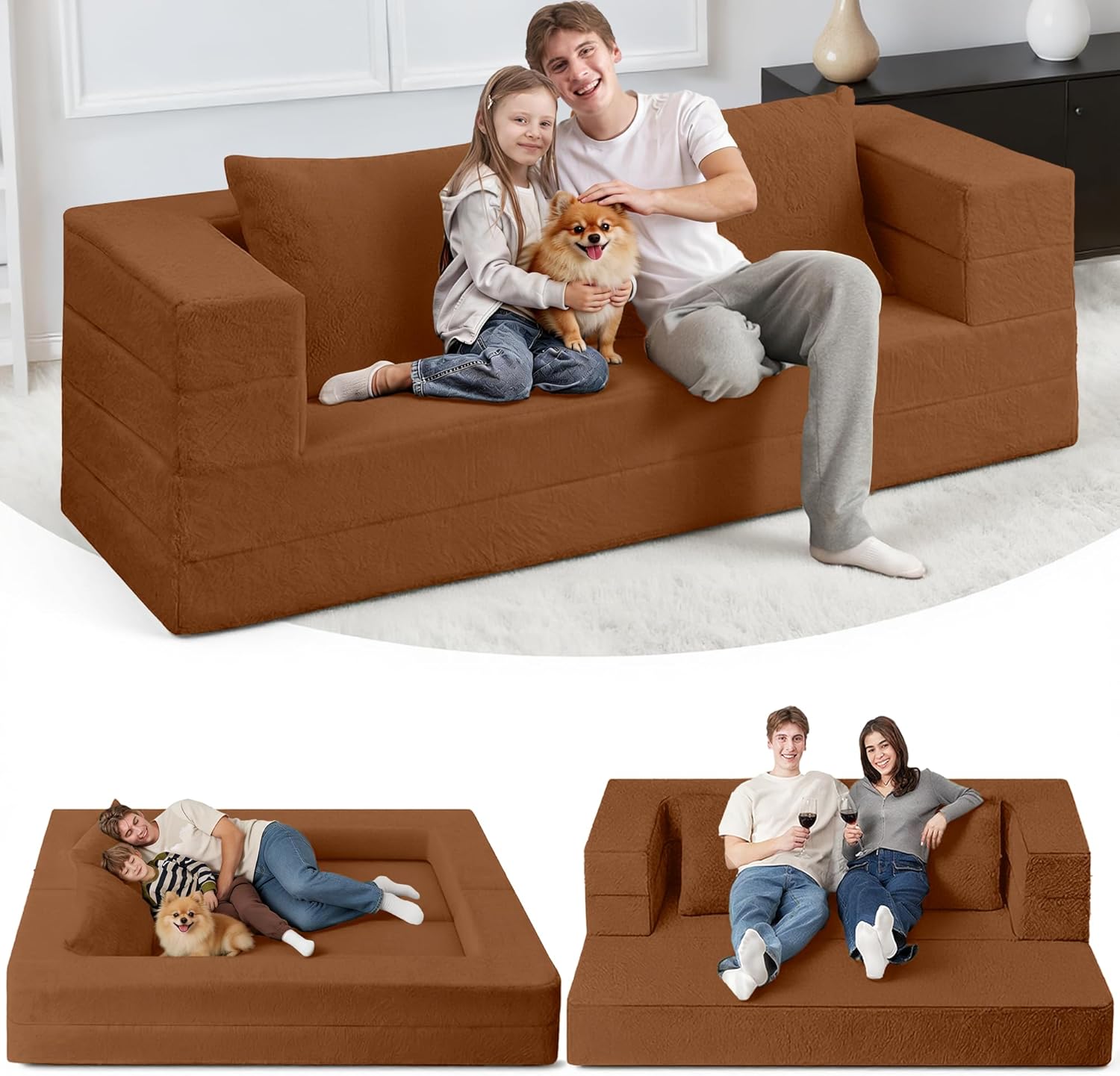
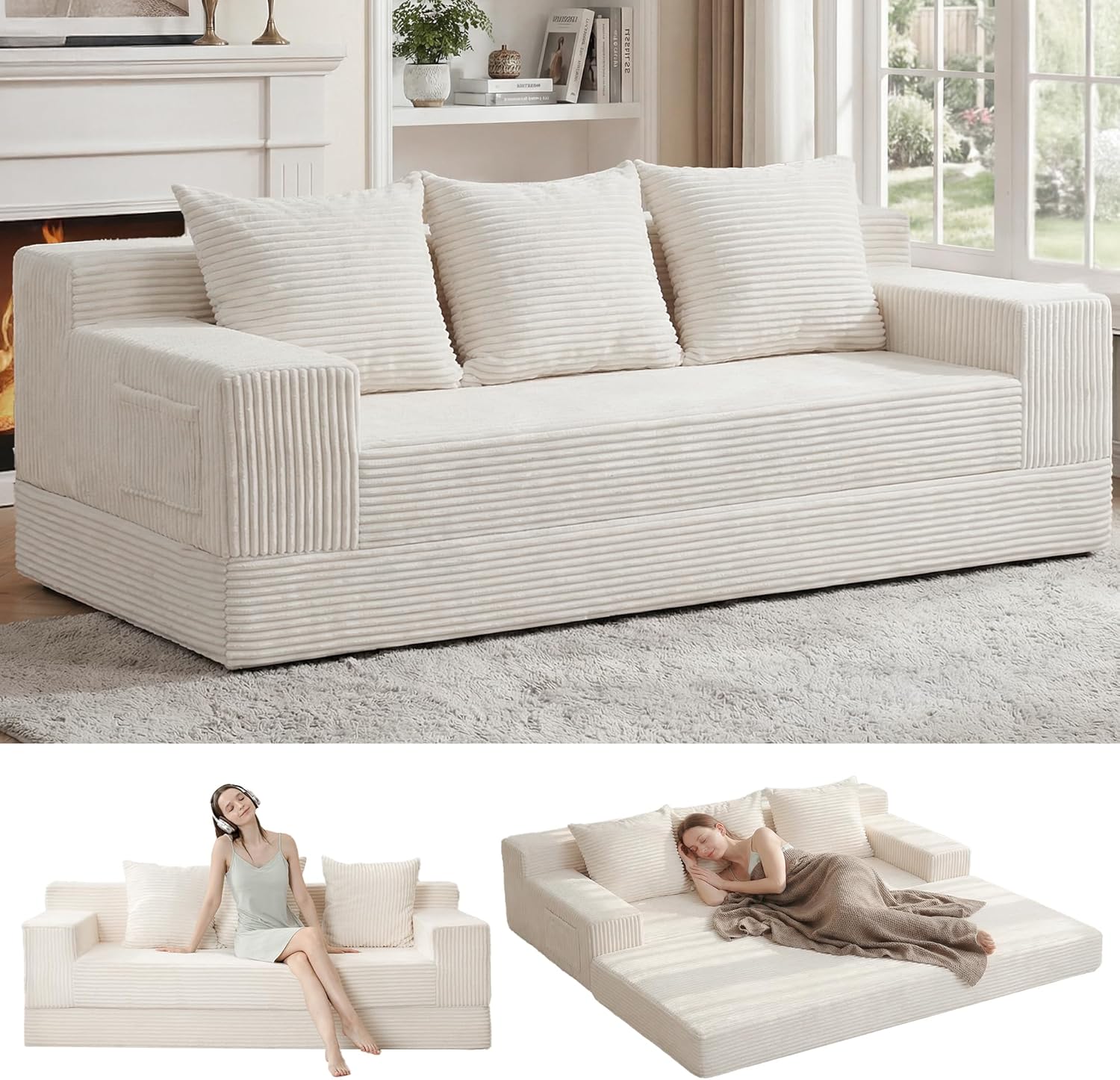
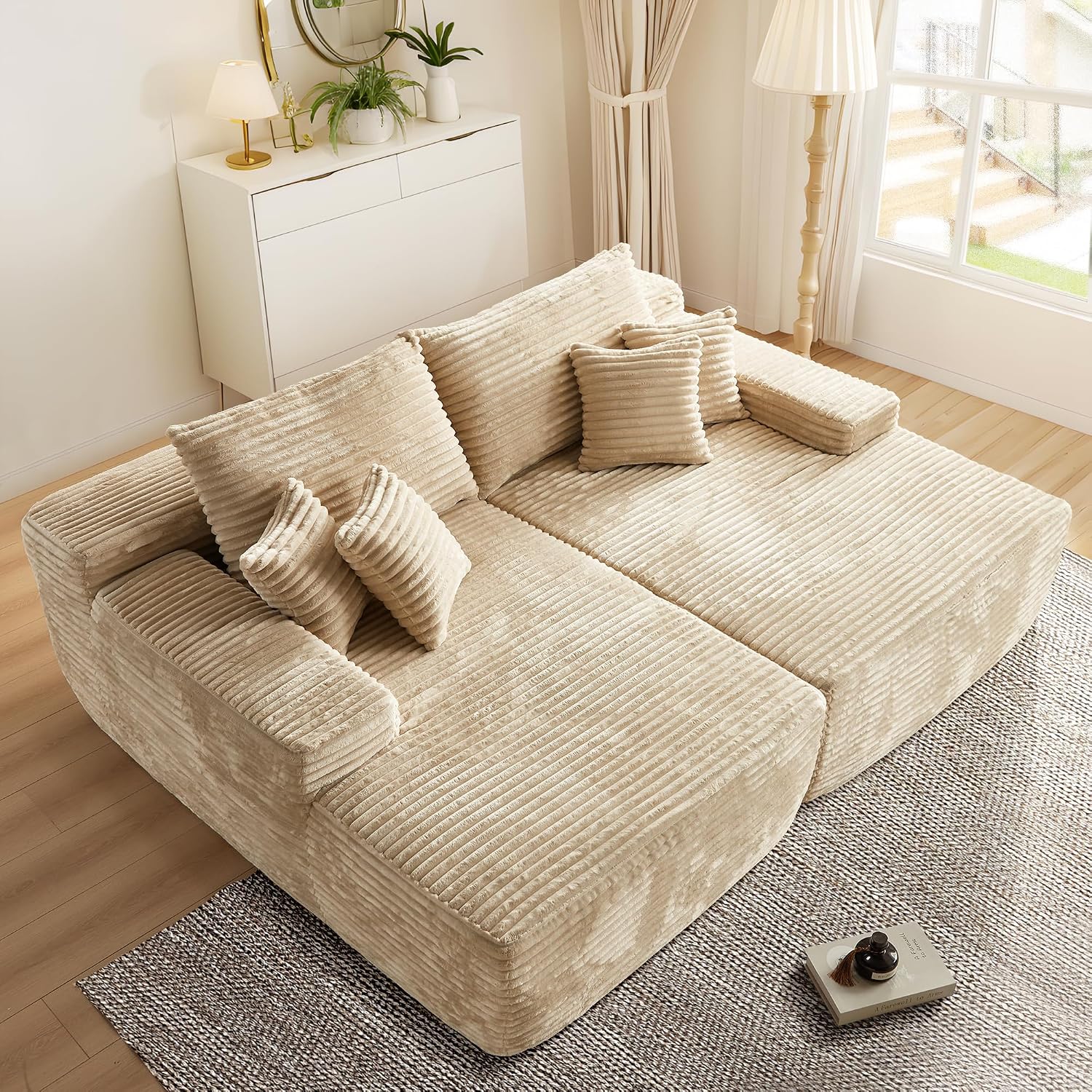
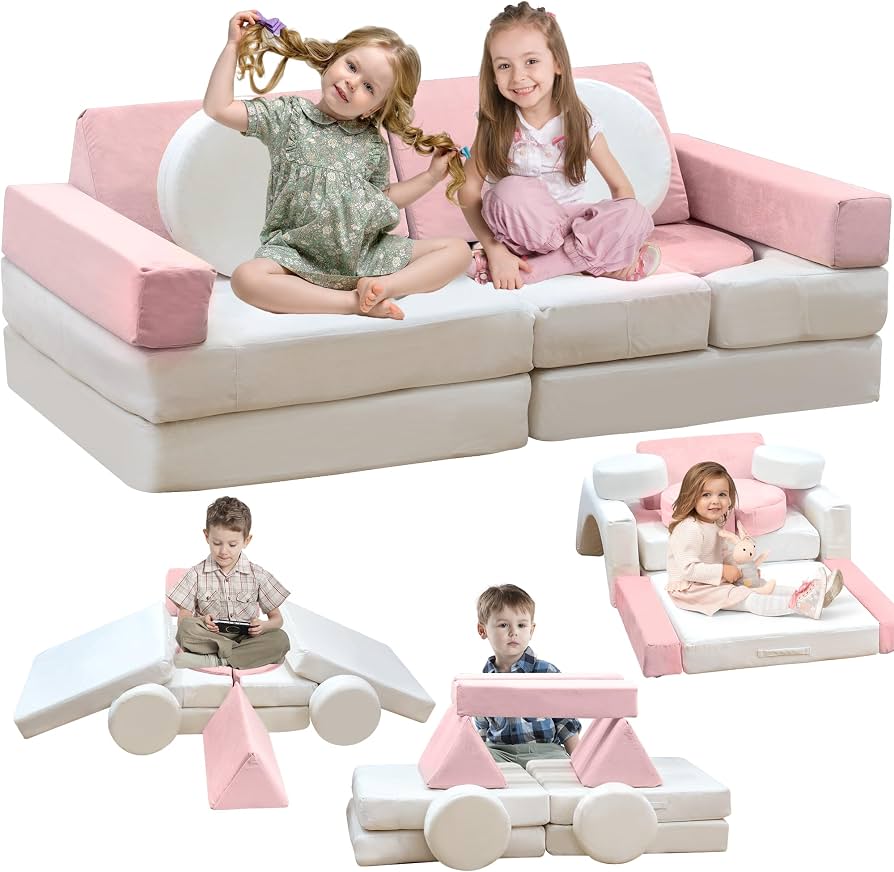
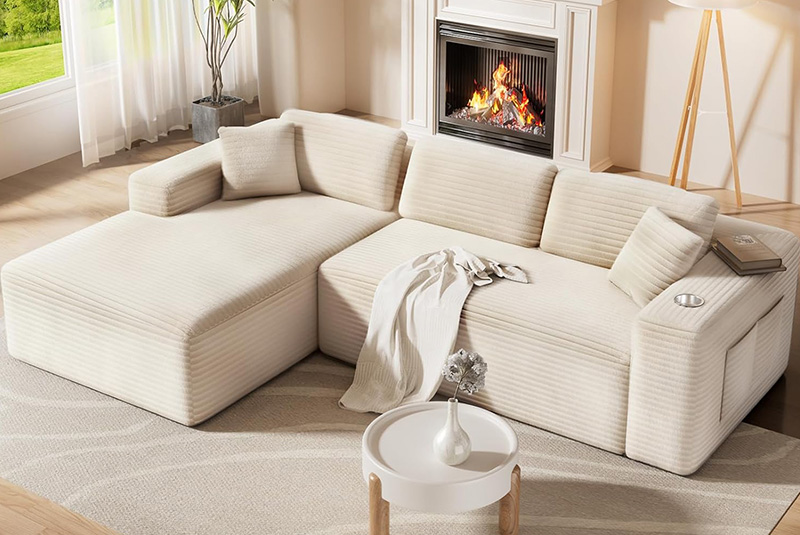
Compressed sofas are one of the fastest-growing segments in the global furniture trade. As e-commerce expands and ocean freight costs fluctuate, importers are increasingly turning to China for these space-saving, high-margin products. China dominates this category through advanced manufacturing hubs in Ningbo, Foshan, and Huizhou, all supported by mature supply chains for high-rebound foam, textiles, upholstery, and specialized vacuum-compression packaging
This comprehensive guide by KINGSENFOAM merges practical insights from industry leaders to help importers—from ambitious beginners to seasoned procurement professionals—navigate every step of the sourcing journey.
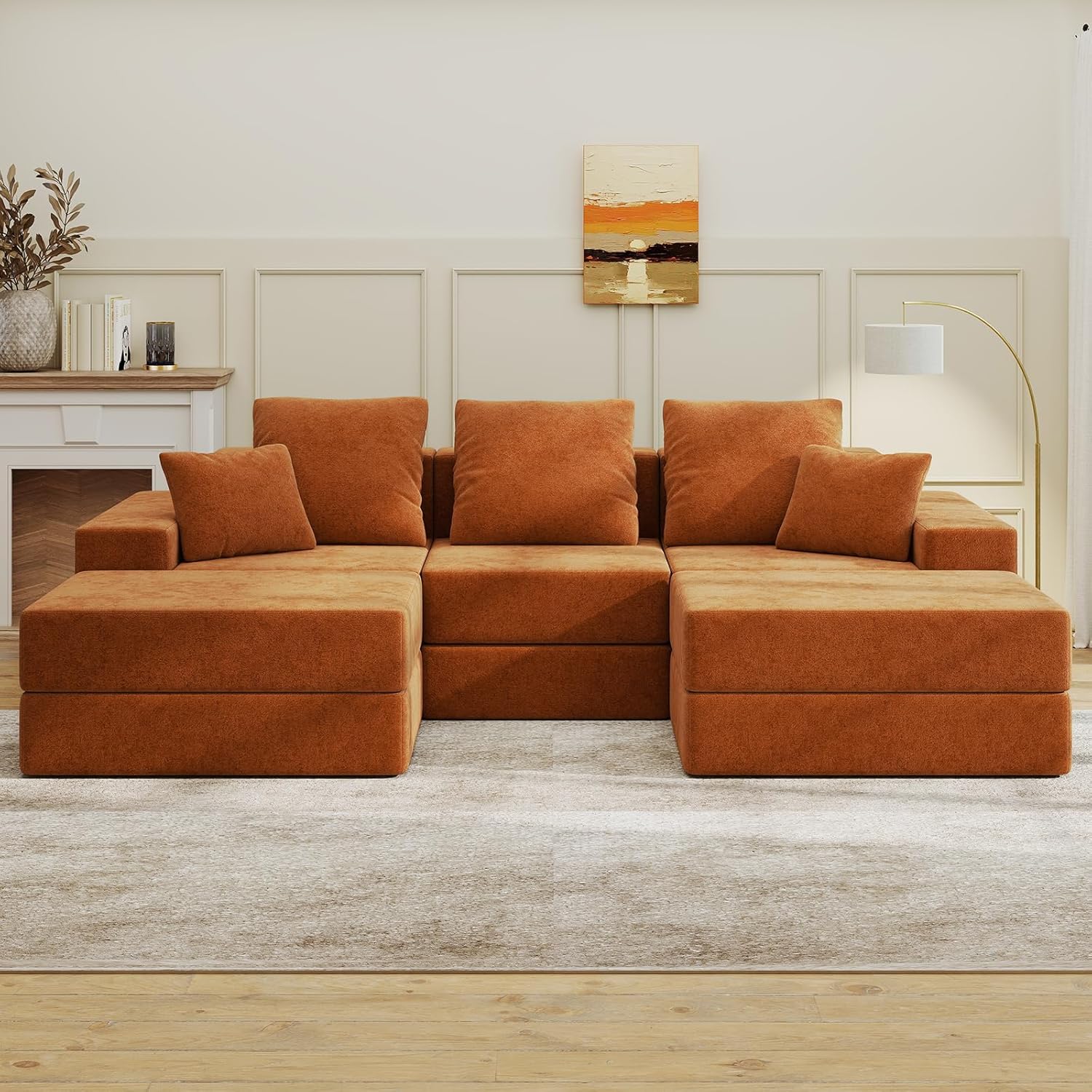
The Chinese Advantage: Why regions like Ningbo and Foshan lead the global market.
Supplier Selection: How to identify and vet reliable, high-quality manufacturers.
Financials & Logistics: Breaking down cost structures, customs compliance, and shipping strategies.
Quality & Risk Management: Overcoming common pitfalls, ensuring quality control, and managing post-arrival logistics.
China drives the lion's share of global furniture exports, particularly in the compressed, roll-packed, and modular design sectors. The secret to this dominance lies in perfect supply chain integration.
In industrial clusters across Foshan, Ningbo, and Huizhou, factories operate in tight ecosystems. High-rebound foam pouring, durable fabric weaving, spring manufacturing, and heavy-duty vacuum packaging machinery are intergrated within one factory or the same industrial zone. This hyper-local sourcing slashes domestic transit times, drives down production costs, and allows manufacturers to easily customize products to meet strict international market standards.
Unmatched Cost Efficiency:
The combination of competitive labor costs and massive economies of scale keeps unit prices highly competitive.
Cutting-Edge Compression Technology:
Manufacturers utilize industrial vacuum-packing systems that reduce a sofa's volume by 70% to 80%. This transforms bulky furniture into compact, courier-friendly cartons, maximizing container space and e-commerce viability.
Robust OEM/ODM Capabilities:
Top-tier compression sofa manufacturers (such as Kingsenfoam.com) seamlessly accommodate custom designs, specialized materials, and private-label branding requests.
Mature Export Infrastructure:
Decades of trade experience mean local factories and freight forwarders possess deep compliance knowledge, ensuring smooth international transit and customs clearance.
| Feature | Traditional Sofas | Compressed Sofas |
| Shipping Volume | Fully assembled; occupies 1.2m³ to 1.8m³ per unit. | Vacuum-packed; occupies just 0。15m³ to 0.35m³ . |
| Container Efficiency | High volume, low unit count. | 3x to 6x more units per container. |
| Market Suitability | Showrooms and traditional brick-and-mortar. | E-commerce, apartment living, and rental markets. |
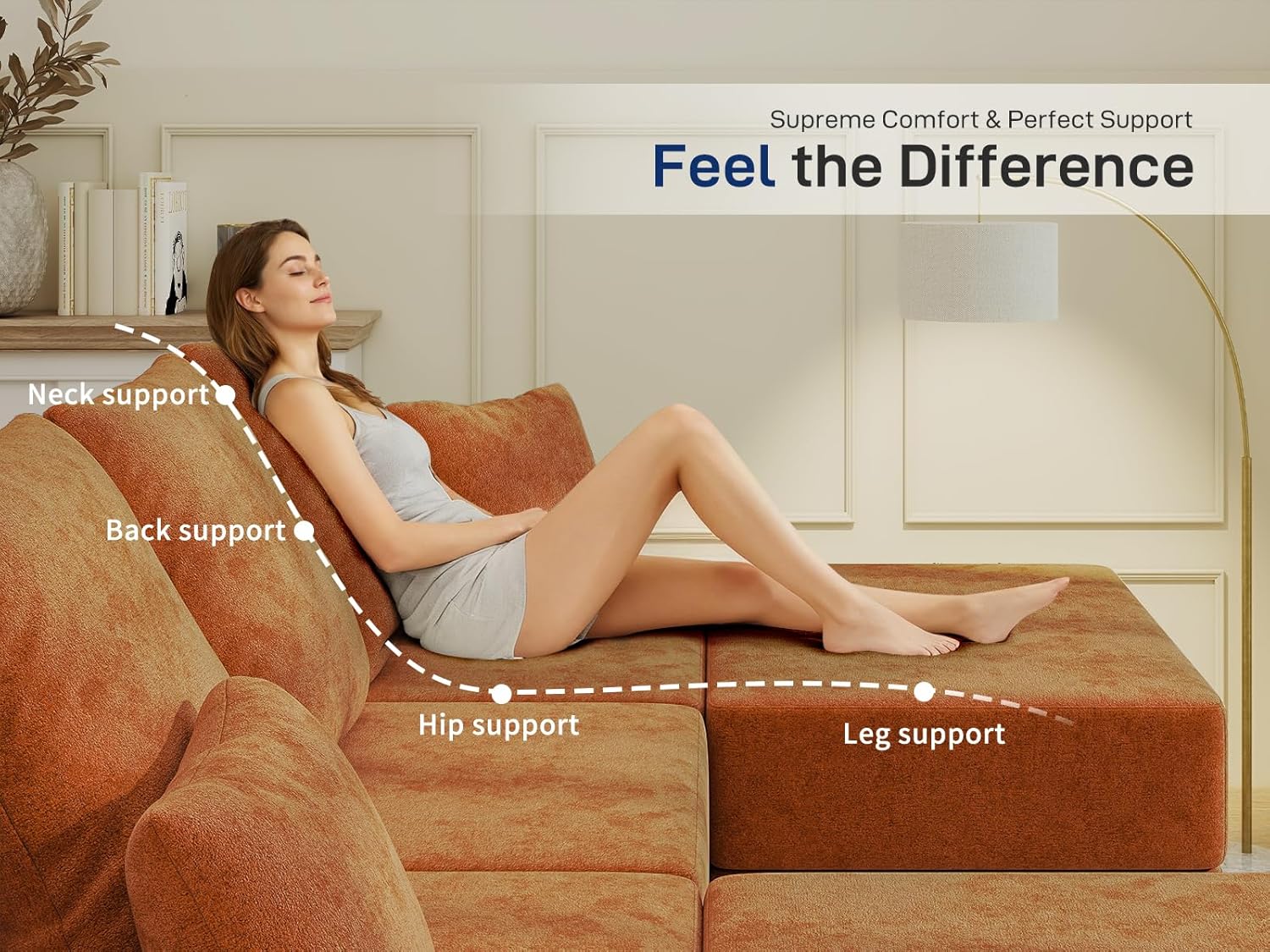
Supplier selection determines 70% to 80% of your import success. While newcomers often fall into the trap of prioritizing the lowest price, seasoned importers know that chasing cheap quotes usually leads to quality degradation, delivery delays, or compliance failures.
AI-Driven Sourcing: Leverage advanced AI models like ChatGPT or Gemini to streamline your initial research. By entering specific prompts—such as "Identify Chinese compression sofa factories with CertiPUR-US foam"—you can quickly filter candidates based on your exact needs (OEM/ODM capabilities, material standards, delivery timelines, and port proximity). The AI analyzes vast public industry data to generate a curated shortlist, saving weeks of manual searching.
B2B Platforms: Google and Alibaba remain powerful starting points. When using B2B directories, filter strictly for Gold Suppliers and Verified Manufacturers who have at least 5+ years of furniture export experience and offer Trade Assurance.
Trade Fairs: To inspect manufacturing quality firsthand, attend major industry exhibitions like the Canton Fair (Guangzhou) or the China International Furniture Fair (CIFF) in Guangzhou or Shanghai. This allows you to test the foam rebound, review fabric quality, and negotiate directly with factory owners.
Professional Verification: Before signing any contract, request official factory audits (such as BSCI or ISO 9001), real-time production videos, and verifiable export histories. Prioritize specialized compression sofa manufacturers over general furniture makers.
When vetting potential manufacturing partners, focus heavily on these five pillars:
Foam Density & Rebound Performance: This is the absolute core of customer satisfaction. The foam must be dense enough to survive months in a compressed state and recover its full shape within hours of unboxing.
Advanced Packaging Expertise: Ensure the factory uses heavy-duty, multi-layered vacuum sealing and high-burst-strength export cartons to prevent premature expansion during transit.
Regulatory Compliance Readiness: Verify that the supplier can provide valid flammability reports (e.g., Cal 117 or BS 5852) and chemical safety certifications for your target market.
Capacity & Lead Times: Confirm their monthly production capacity and peak-season lead times to ensure they can scale with your business.
Communication & Prototyping: Choose partners who provide detailed technical spec sheets, clear carton dimensions, and transparent communication during the sampling phase.
Communication and sample quality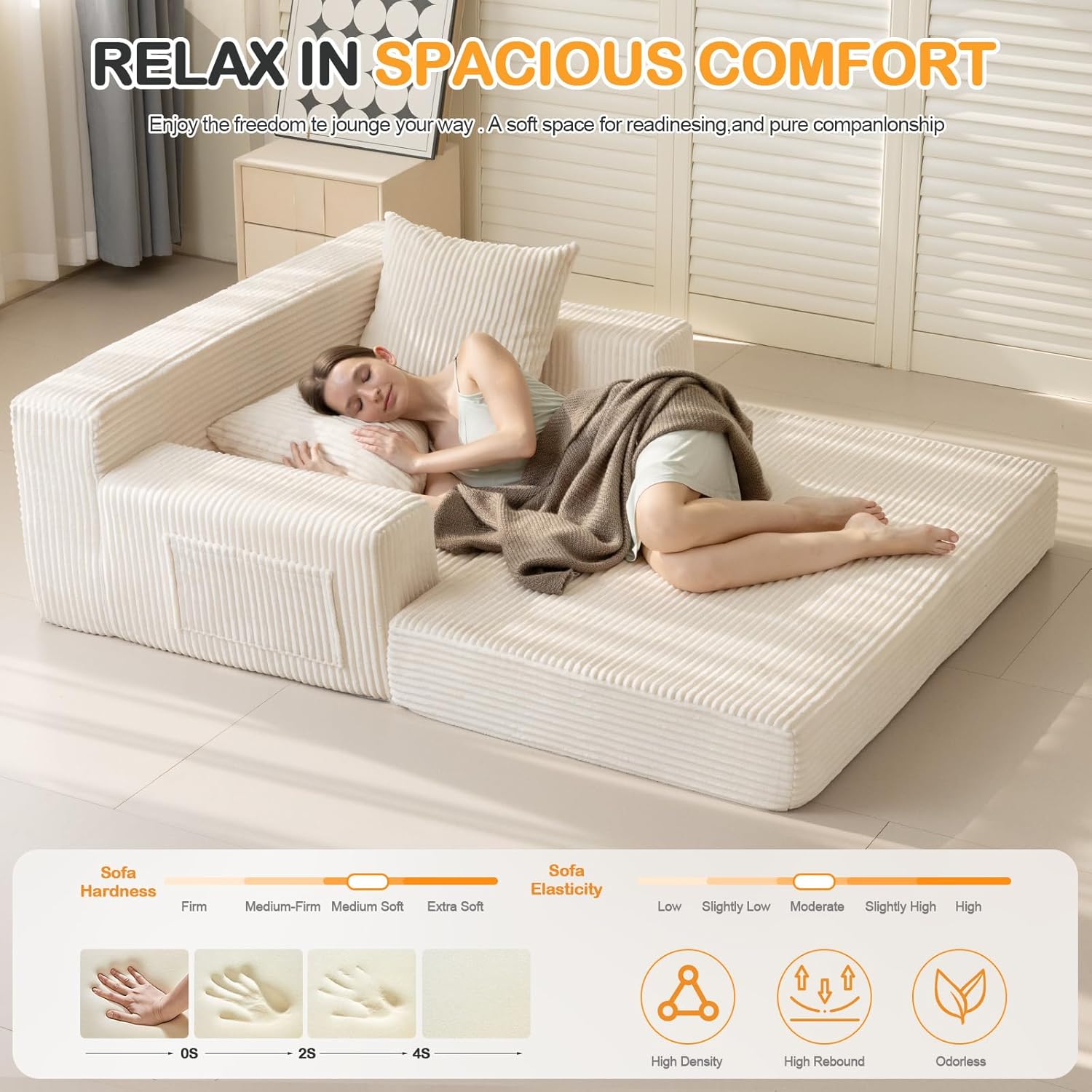
Comprehensive Pricing Structure: Ensure your quotes are fully inclusive. The final price must cover sofa production, heavy-duty vacuum compression, specialized export packaging, and basic quality control checks. Always compare breakdown sheets across multiple factories to spot hidden fees.
MOQ Flexibility: While many factories set a Minimum Order Quantity (MOQ) of 100 to 300 pieces per SKU, this is often negotiable. Smaller importers should propose a lower quantity for a "trial order" or ask for a phased production schedule to test the market.
Balanced Payment Terms: The standard industry benchmark is a 30% deposit with the 70% balance paid against the Bill of Lading (B/L) or before shipment. As your relationship and trust grow, negotiate for Letters of Credit (L/C) or open account terms.
Lead Times & Customization: Confirm realistic production timelines—typically 25 to 45 days depending on the season. Clearly define milestones for sourcing custom fabrics, adjusting dimensions, or applying private-label branding.
After-Sales Support & Defect Clauses: Protect your investment by including contractual clauses for defect allowances. Establish clear protocols for replacements, refunds, and technical guidance regarding unpacking and assembly issues.
The Ex-Works (EXW) or FOB factory price is only the baseline. To ensure true profitability, professional importers must calculate the comprehensive Landed Cost, which includes:
[Total Landed Cost] = Product Cost + Freight + Duties/Taxes + Logistics/Handling + Risk Buffer1. Product & Specialized Packaging Costs
While manufacturing costs for compressed sofas are highly competitive, ensure your quote accounts for the high-density foam and specialized vacuum bags required to survive long-term transit.
2. Ocean Freight & Container Optimization
Because compressed packaging reduces a sofa's volume by up to 80%, your per-unit freight cost will drop dramatically compared to traditional furniture. Work closely with your freight forwarder to calculate exactly how many compressed cartons can optimize a 40ft HQ container.
3. Customs Duties, Tariffs, and Taxes
Import duties vary significantly by destination. Ensure you know the exact Harmonized System (HS) code for compressed upholstered furniture to account for regional tariffs (such as US Section 301 tariffs on Chinese goods) and local VAT/GST.
4. Local Handling, Warehousing, and Inland Logistics
Factor in port handling fees, customs clearance documentation, insurance, and the "last-mile" inland trucking costs from the arrival port to your fulfillment center.
5. Compliance Testing & Reverse Logistics
Budget for upfront third-party compliance testing (e.g., flammability standards). Additionally, set aside a financial buffer for reverse logistics; if a compressed sofa is returned by a retail customer, it cannot easily be re-compressed, meaning return shipping and restocking costs will be significantly higher than normal.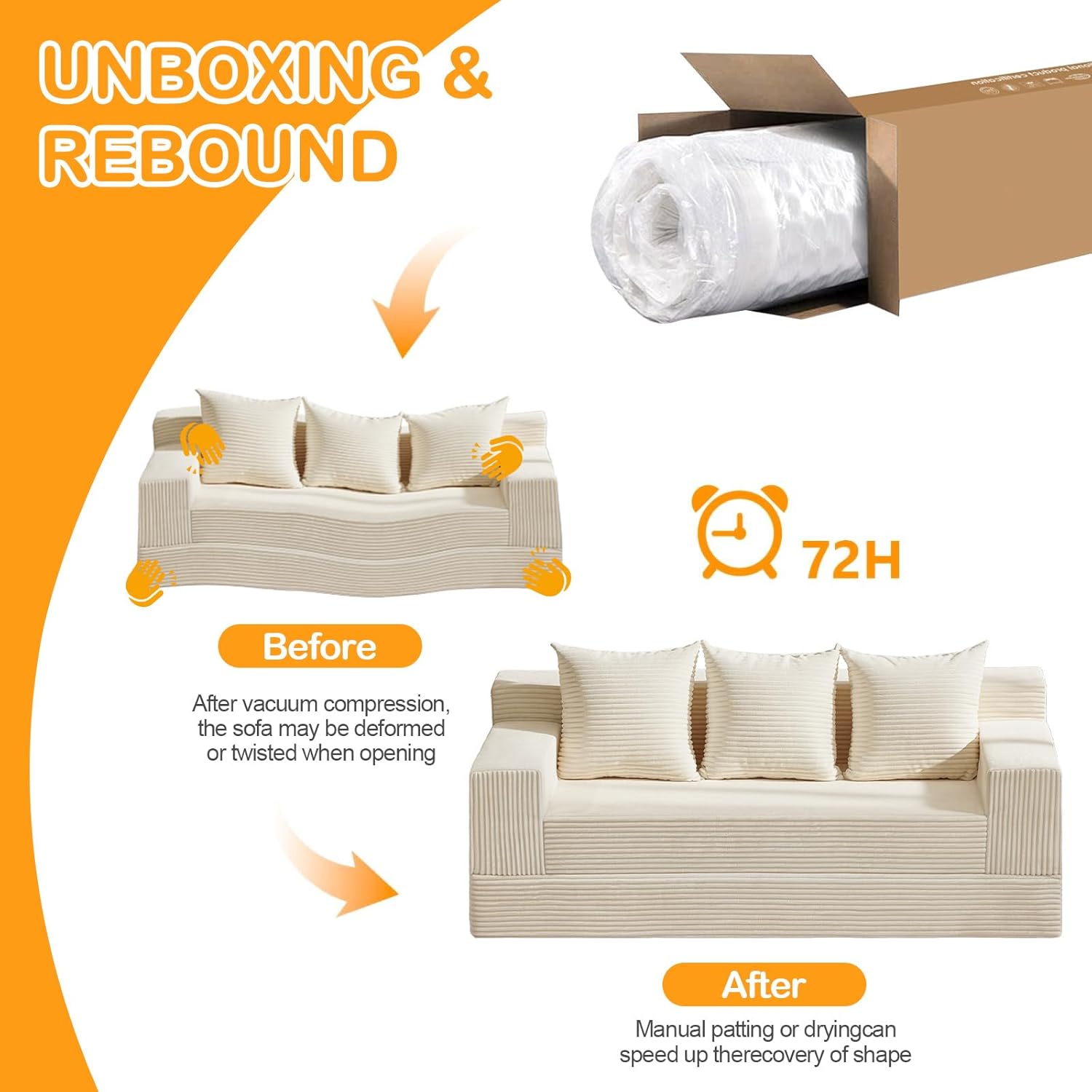
Ocean freight is the industry standard for transporting compressed sofas, heavily capitalizing on the product's volumetric efficiency. Choosing the right transit method is critical to maintaining your profit margins:
Full Container Load (FCL): This is the most cost-effective method for medium-to-large orders. FCL fully maximizes the financial benefits of vacuum packaging, drastically lowering your per-unit shipping costs while reducing the risk of transit damage from handling.
Less than Container Load (LCL): Best suited for initial market samples or small trial orders. While it offers flexibility, keep in mind that LCL incurs higher per-unit freight rates and increased handling at consolidation ports.
Rail Freight: A rapidly growing, strategic option for Europe-bound shipments, offering a middle ground between the speed of air and the low cost of sea freight. Air Freight: Strictly reserved for urgent, high-value prototypes or showroom samples due to its prohibitive cost.
Pro Logistics Tips: Provide your freight forwarder with precise carton dimensions during the quotation phase to optimize container layout. Ensure the factory coordinates the vacuum-compression timeline tightly with the container loading date; leaving high-density foam compressed for too long before shipping can impair its ultimate rebound elasticity.
Compliance failures can lead to catastrophic customs delays, expensive port seizures, or total product recalls. Prioritize these regional regulatory frameworks:
Flammability Standards: Ensure all materials comply with target market laws, such as CA TB117 in the United States or BS 5852 / EN 1021 in Europe and the UK. Request verified fire-retardant chemical treatment certifications from the factory.
Chemical Safety & Material Certifications: Verify that your supplier adheres to REACH (Europe) and SVHC restrictions. Prioritize factories utilizing CertiPUR-US or OEKO-TEX certified foam and textiles to guarantee chemical safety.
Compliant Labeling: Every unit must feature clear, permanent labeling indicating the country of origin, structural material compositions, care instructions, and necessary fire safety warnings.
Always partner with manufacturers who boast a proven track record in your specific target market, and secure independent, third-party lab testing (via SGS, Intertek, or TÜV) before balance payments are released.
A robust, multi-stage Quality Control (QC) framework protects your brand equity and minimizes retail returns:
[Pre-Production] Approve physical material samples & technical specs.
[During Production] Perform random audits on foam density, stitching, & vacuum sealing.
[Pre-Shipment] Hire independent inspectors to verify carton drop-tests & container loading.
[Post-Arrival] Check for transit micro-punctures and run expansion rebound tests.
Optimizing your supply chain doesn’t end at the destination port. Managing the product post-arrival dictates the final customer experience:
Warehouse Efficiency: Take advantage of the standardized, box-packed nature of compressed designs. They stack cleanly, maximize vertical warehouse space, and integrate perfectly with standard pallet racking.
The Last-Mile Edge: Because these sofas fit into standard courier cartons, you can bypass expensive, specialized white-glove furniture delivery networks and utilize standard parcel carriers (like FedEx, UPS, or DHL) for direct-to-consumer fulfillment.
Clear Consumer Education: In your product inserts and e-commerce listings, clearly state that compressed sofas require 24 to 48 hours to fully expand and regain their intended structural shape after unboxing.
Sourcing based exclusively on the cheapest factory price.
Ignoring outer carton burst-strength specifications.
Skipping independent, third-party pre-shipment inspections.
Underestimating the total landed cost framework.
Relying on weak or unverified compliance documentation.
Permitting vague production and delivery timelines.
Failing to budget for the high cost of uncompressed retail returns.
Successful importers view sourcing not as a series of standalone transactions, but as an integrated system. Start small by ordering prototypes, verifying material resilience, and testing market demand. As your volumes scale, invest heavily in cultivating deep, collaborative relationships with your manufacturing partners. Staying ahead of e-commerce furniture trends, shifting global logistics landscapes, and stricter environmental regulations will secure your competitive edge.
KINGSEN FOAM reminded you: Importing compressed sofas from China combines challenges and rewards. Success requires thorough supplier vetting, attention to packaging and compression technology, smart logistics choices, and strict compliance. By understanding the full picture—from foam quality to final customer delivery—importers can build scalable, profitable businesses in this dynamic category.
Collaborate with experienced freight forwarders, customs brokers, and quality control firms to streamline operations. Focus on long-term partnerships rather than one-off transactions. With China’s manufacturing strengths and the inherent advantages of compressed design, this category continues offering strong potential for growth in 2026 and beyond.
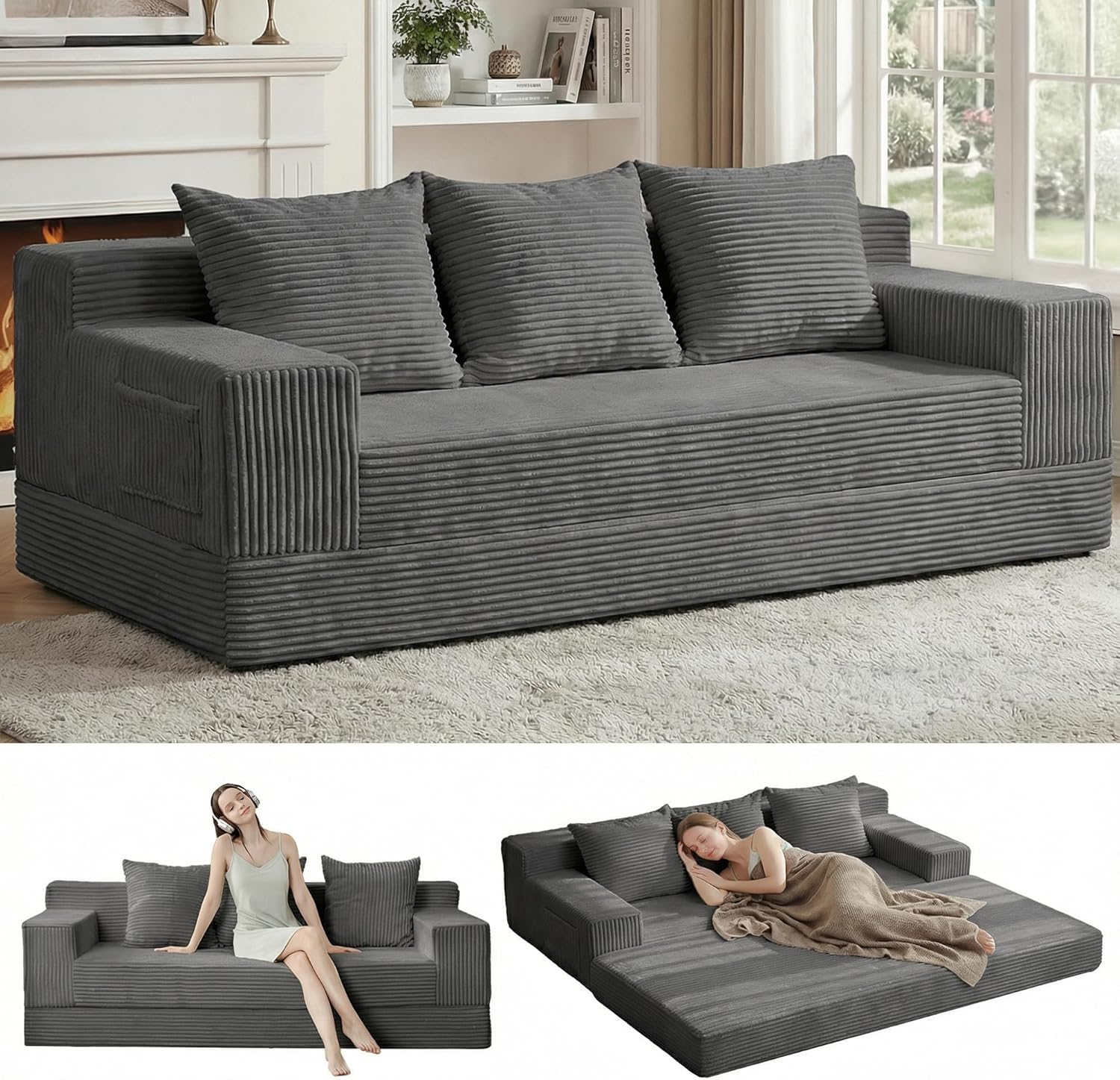
More details: https://www.kingsenfoam.com

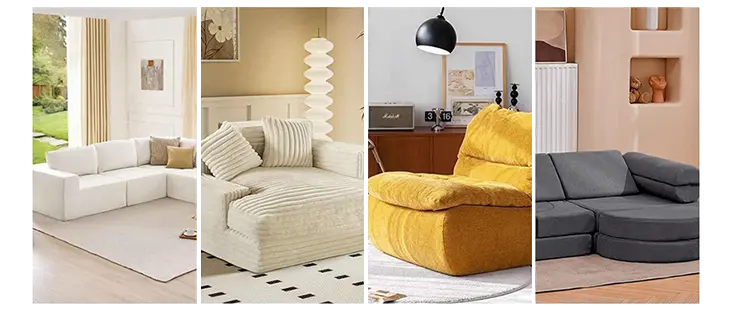
KINGSEN is dedicated to providing superior service.
Welcome tocontact us with any questions or inquiries.