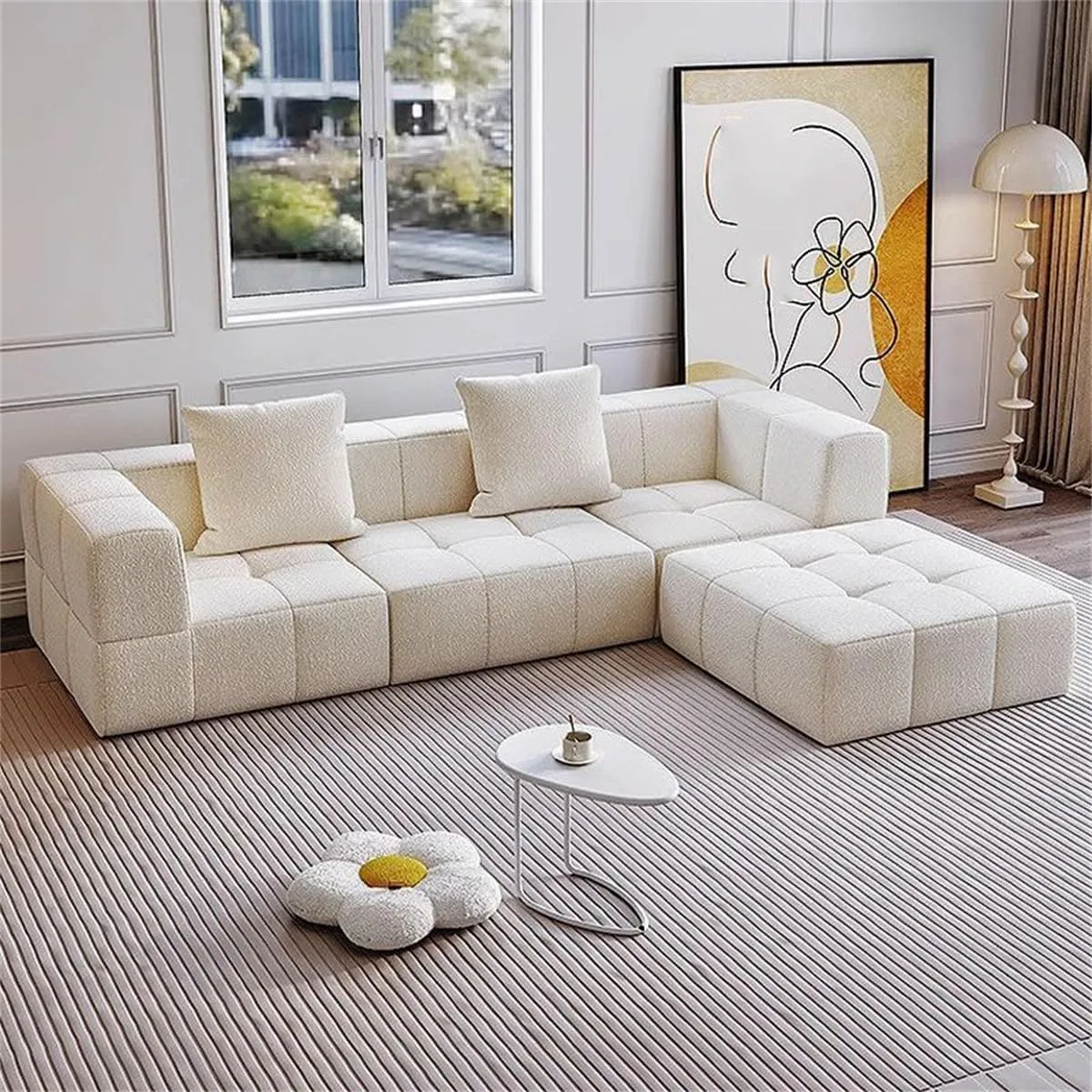
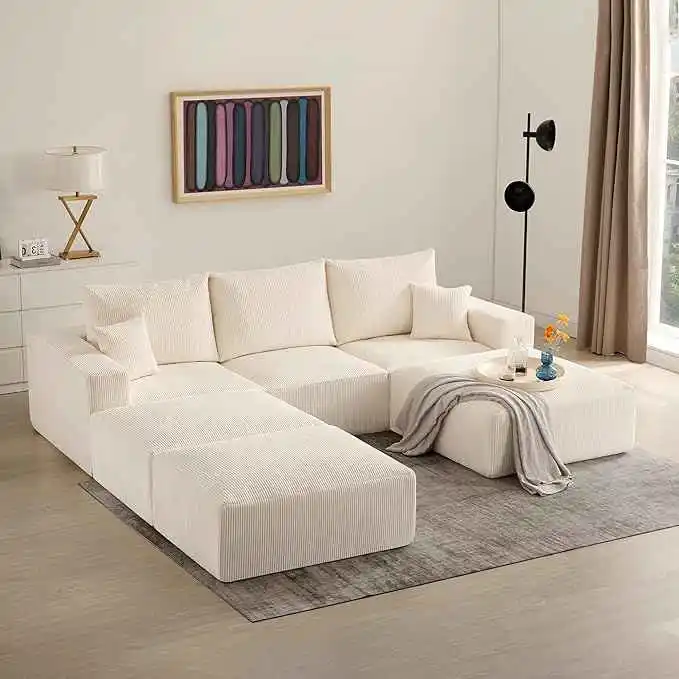
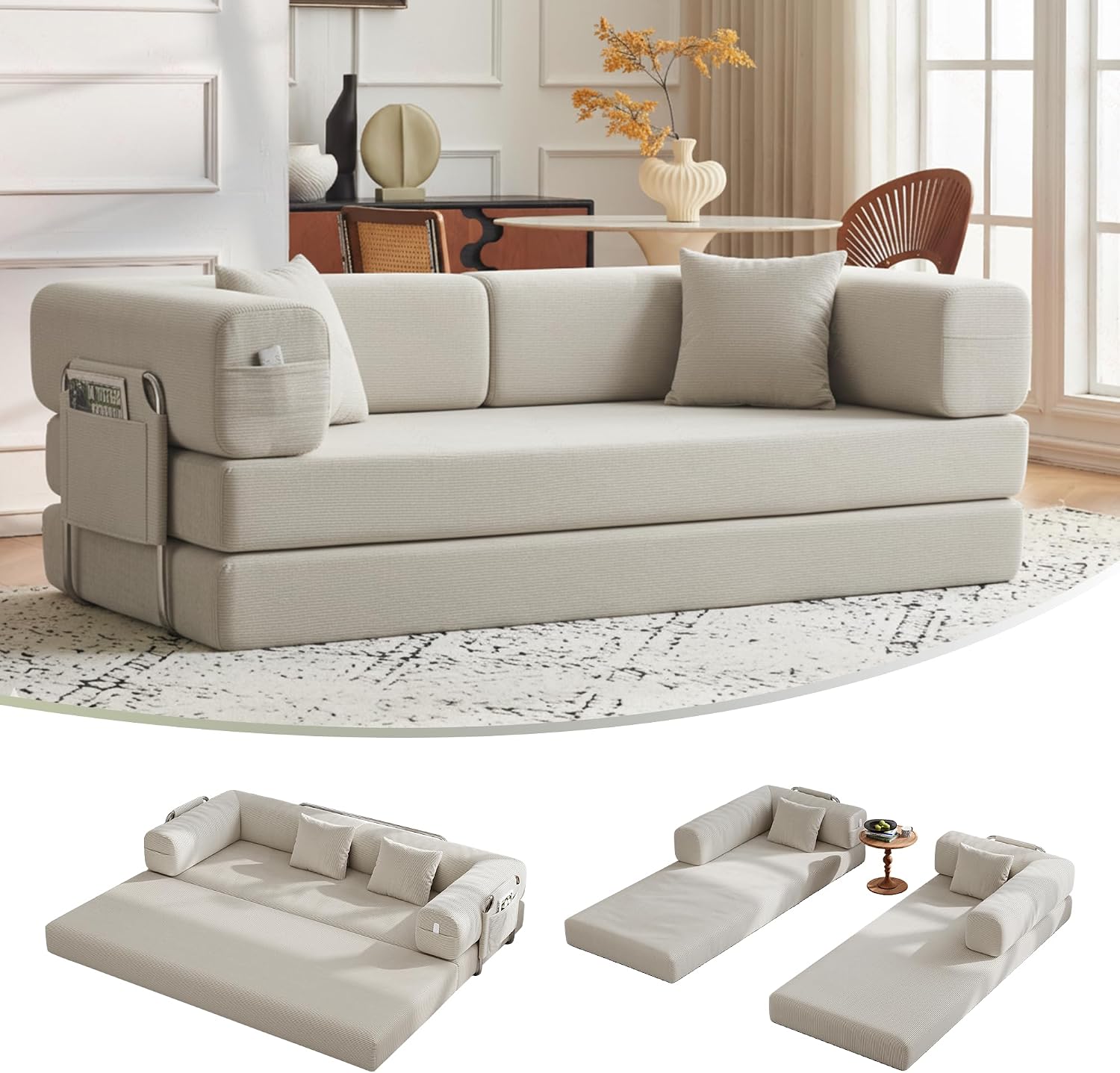
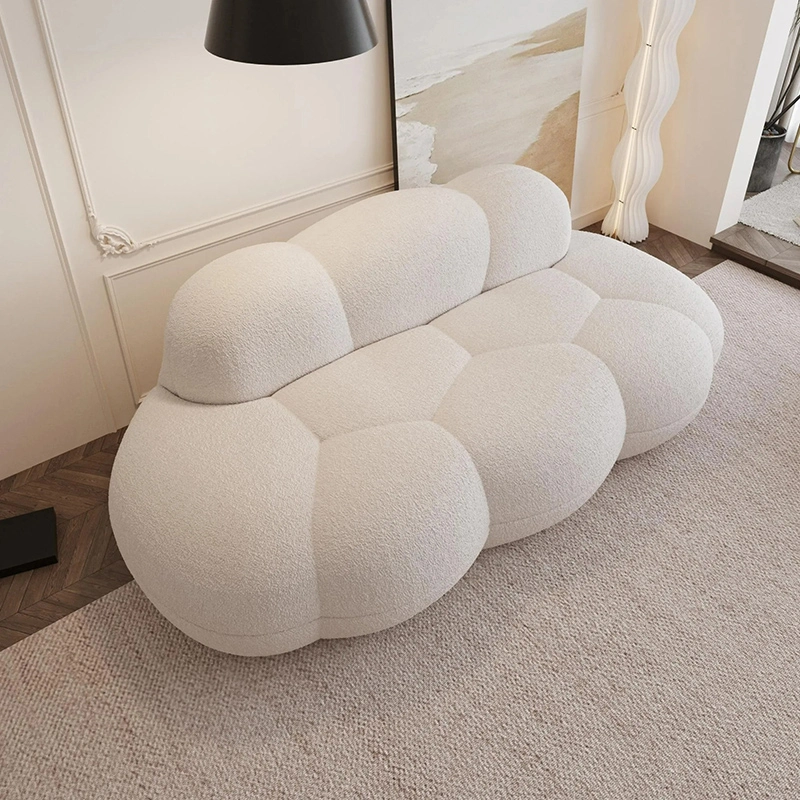
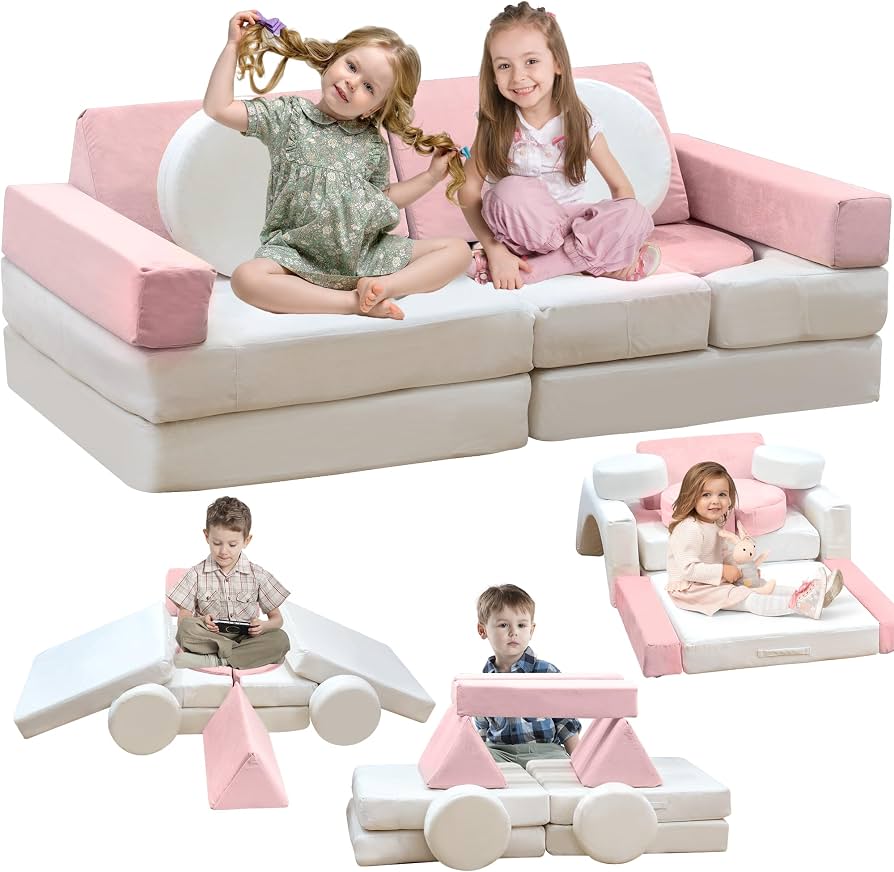
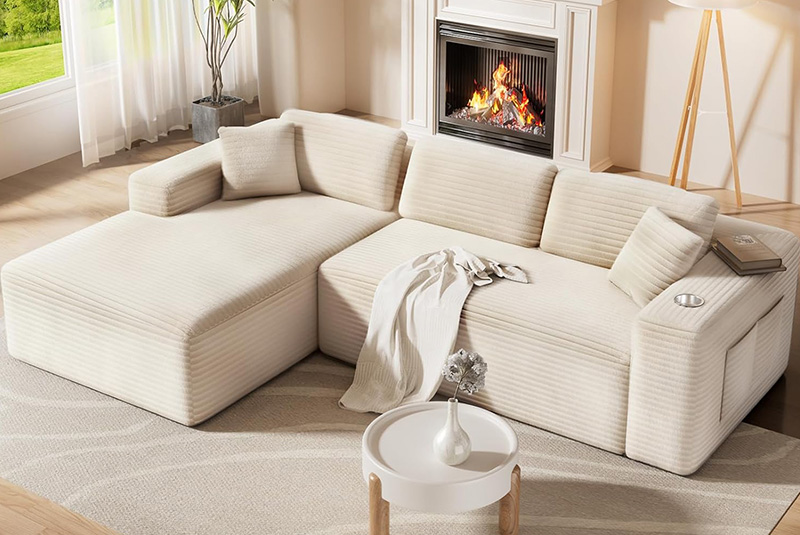
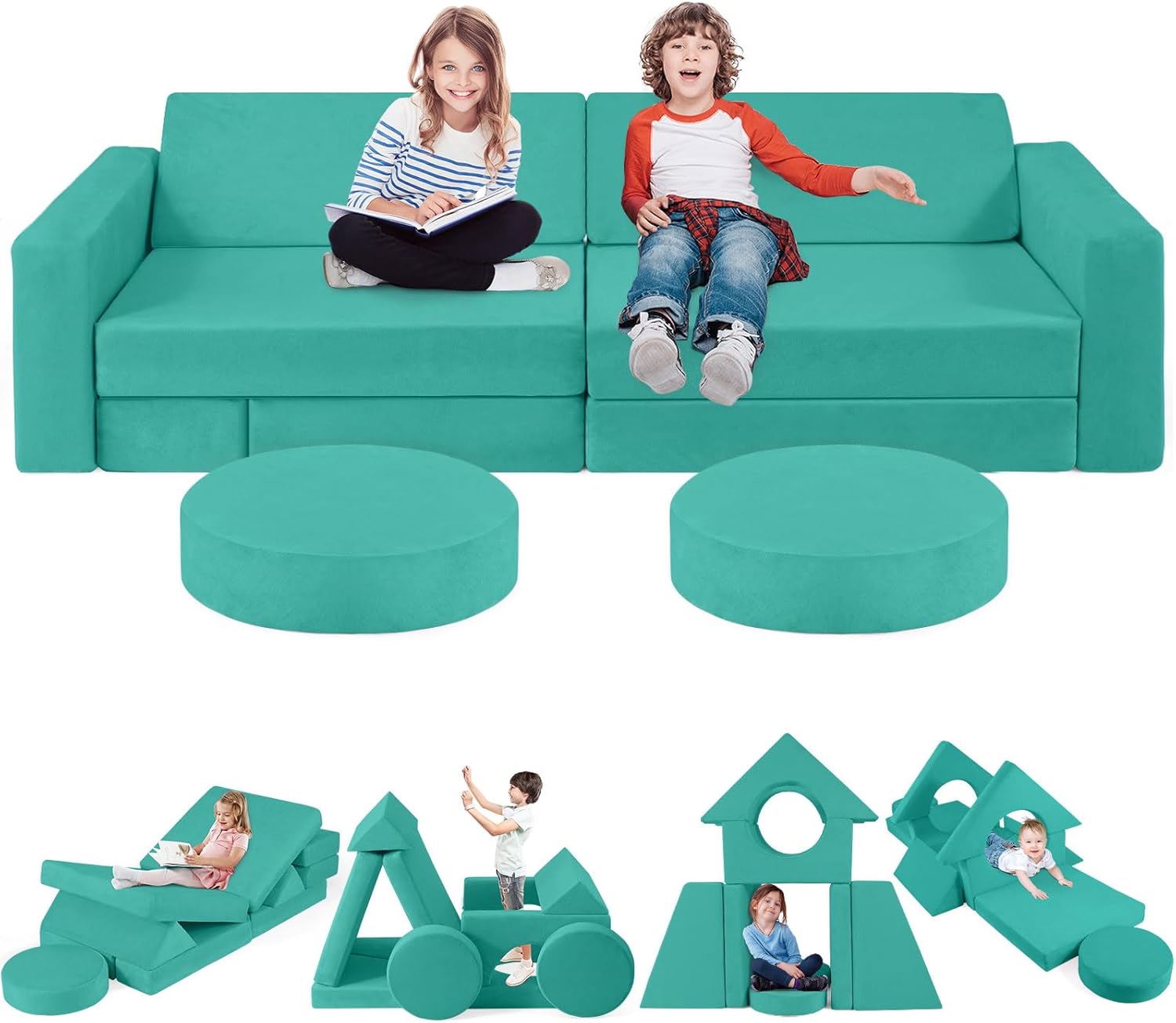
You might wonder: How long can a comfy boneless sofa really last? Let’s break down the lifespan of a boneless Sofa and share pro tips to keep it looking fresh for years!
A quality boneless foam sofa lasts 5–10 years, with KINGSEN high-density foam sofa lasting over 15 years, depending on foam quality, use, and care. Lower-end models may last 2–4 years. To extend lifespan, rotate cushions and clean regularly. Key factors include foam density (high-density foam lasts 8–12+ years), usage intensity (daily heavy use speeds sagging), and fabric quality (performance fabrics last longer). For longevity, choose high-density foam, ensure a sturdy frame, and allow the sofa to expand fully before use. While durable, boneless sofa generally last less than traditional hardwood-framed sofas (15–25 years).
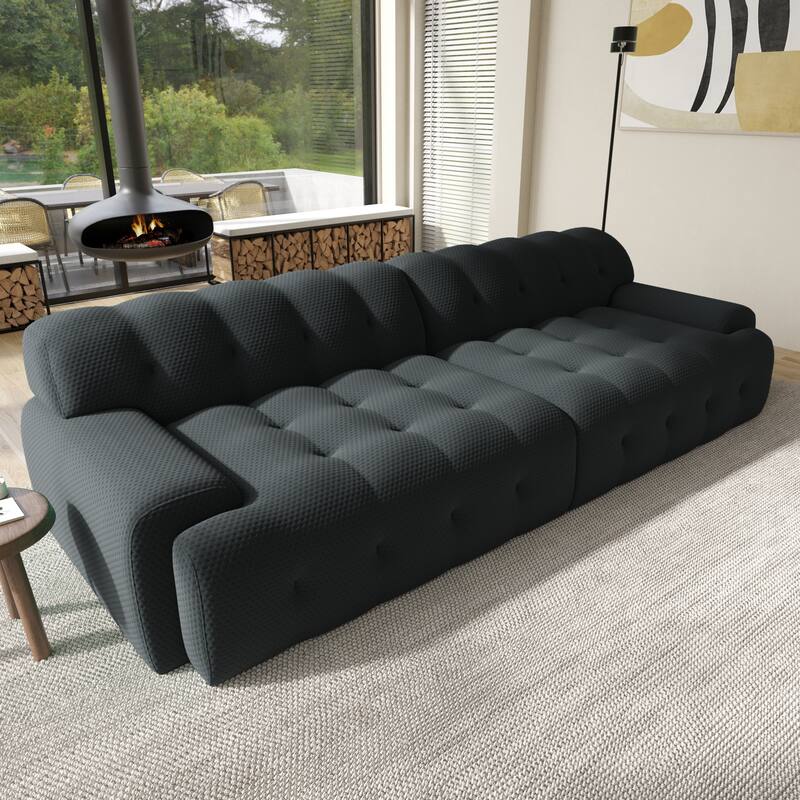
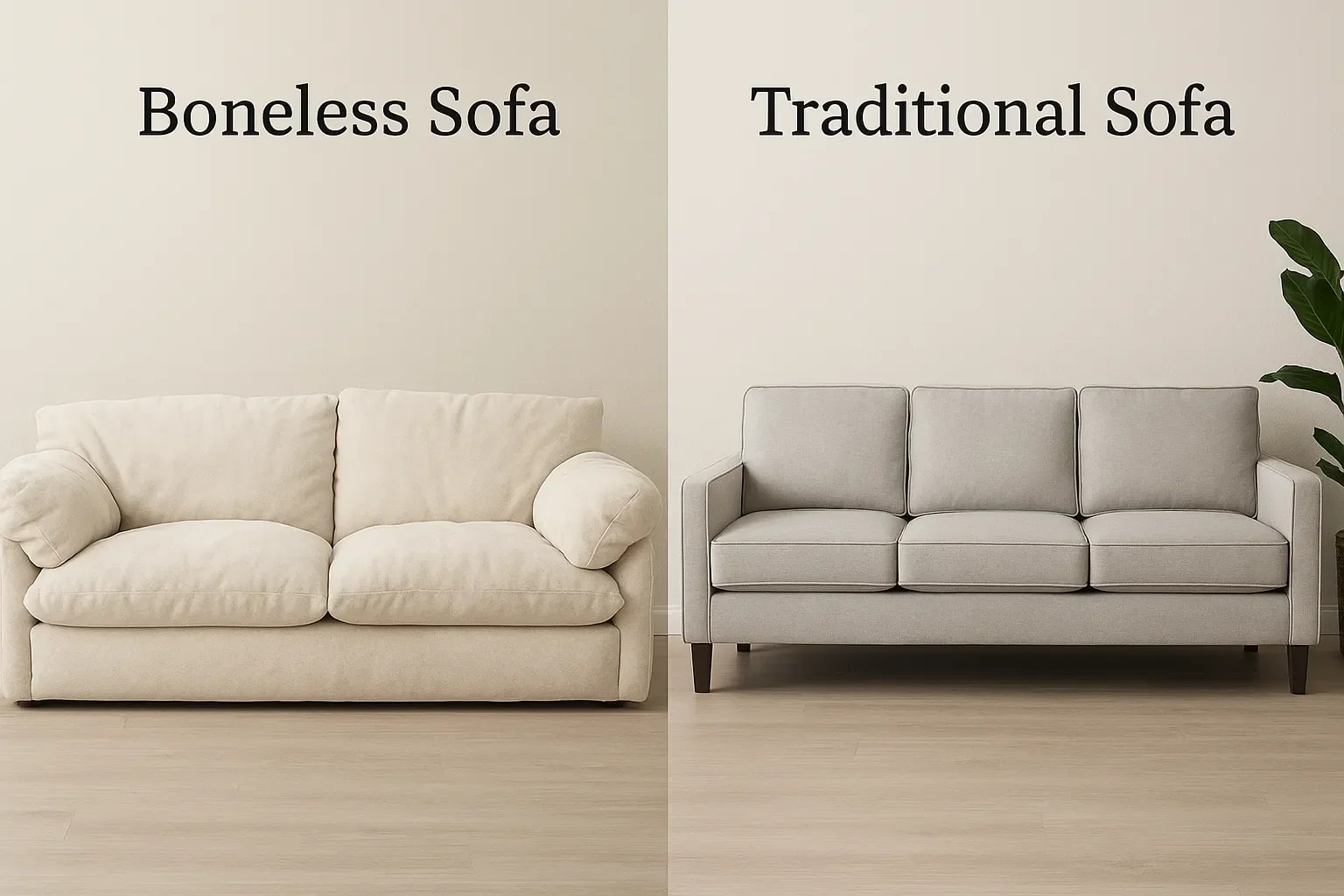
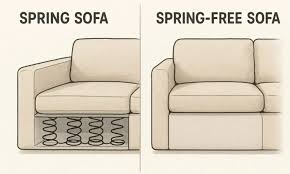
A boneless sofa is a frame-free seating option built for comfort. Unlike traditional sofas with wooden or metal frames, these rely on soft cushioning to support your body. Filled with foam, memory foam, or microbeads, boneless sofas offer a cloud-like feel that adapts to your shape, allowing you to sink in, lounge, or stretch out.
The foam inside a boneless sofa greatly impacts comfort and durability. High-density foam offers better support for extended sitting, while low-density foam may flatten quickly, making lounging uncomfortable. Choosing the right foam ensures your sofa remains supportive and bouncy over time.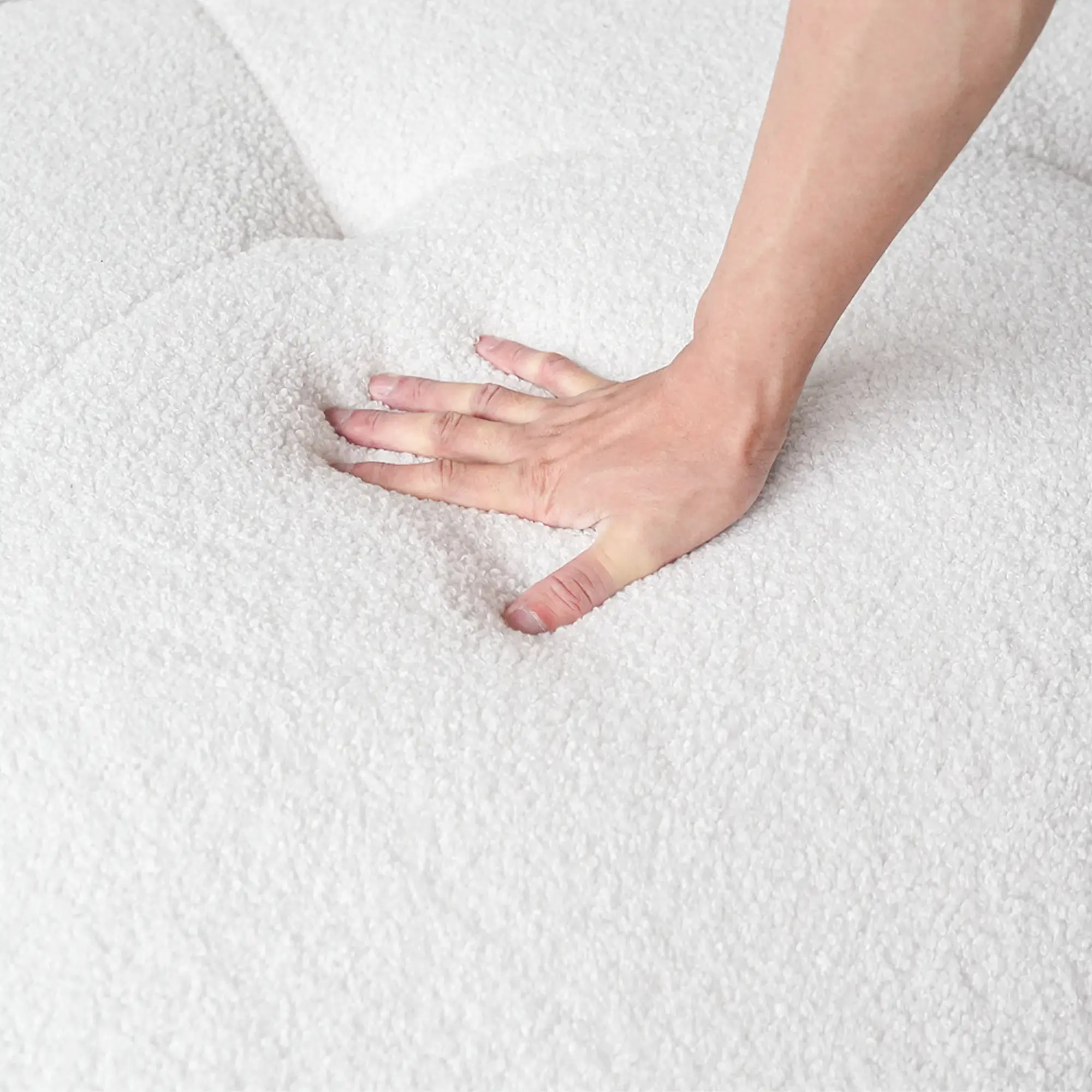
| Foam Density (lbs/ft³) | Expected Lifespan |
|---|---|
| Under 1.5 | 1-2 years |
| 1.5 - 1.7 | 2-3 years |
| 1.8 - 2.0 | 4-5 years |
| 2.1 - 2.5 | 5-7 years |
| 2.5+ | 7+ years |
High-density foam (1.8-2.5 lbs/ft³) maintains shape, ideal for long sitting.
Seat depth affects comfort for prolonged sitting:
| Seat Depth (in/cm) | Sitting Style | Comfort Notes |
|---|---|---|
| 18-20 in (46-51 cm) | Upright sitting | Supports posture, ideal for work or dining. |
| 21-24 in (53-61 cm) | Moderate lounging | Slight reclining, great for mixed use. |
| 25-30 in (64-76 cm) | Deep lounging | Best for full lounging and relaxation. |
Tip: Choose shallower seats for work and deeper seats for lounging.
Boneless sofas replace traditional hardwood frames with advanced foam layers, eliminating issues like squeaks, splits, and sagging. This makes them a great choice for pet owners or busy households.
Many boneless sofas feature stain-resistant, antimicrobial fabrics like performance velvet or recycled microfiber—ideal for spills or pet accidents. They combine durability with luxury.
High-density memory foam and gel-infused layers help cushions bounce back faster, resisting flattening even after years of use.
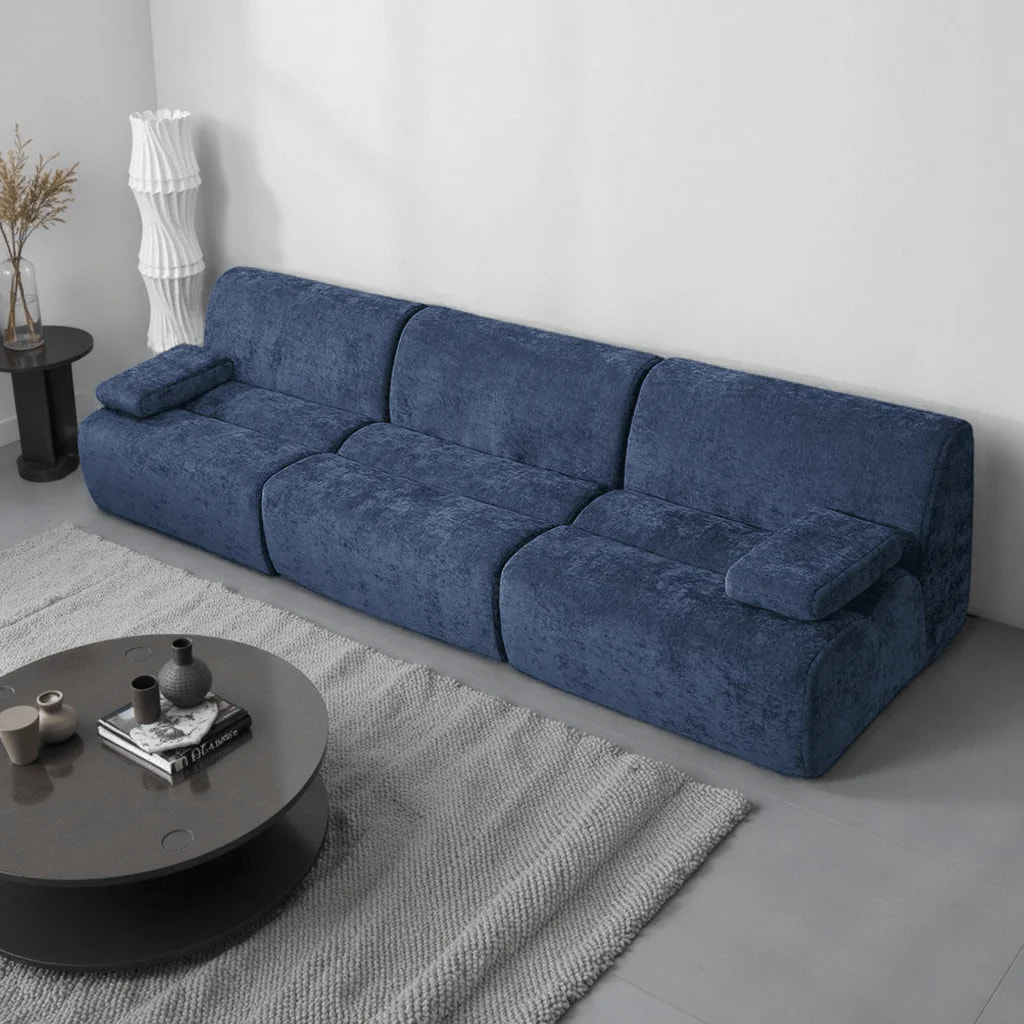
Boneless sofas lack a rigid frame, which can affect spine alignment during long sitting. While cozy, they may not provide enough lumbar or neck support for people with back pain or those sitting upright for long periods. Adding lumbar pillows or a supportive chair can help.
Lower-density foam can compress and lose shape, reducing comfort. To maintain support, choose high-density foam (1.8-2.5 lbs/ft³) or modular cushions that can be rotated. Regularly fluffing cushions also helps preserve their shape.
Boneless sofas are great for casual lounging, gaming, reading, or watching TV. For work-from-home setups or long upright sitting, a structured sofa or ergonomic chair is a better option.
Searching #BonelessSofa on TikTok or Facebook reveals thousands of videos praising their space-saving designs and “cloud-like” comfort. Users rave about how these sofas fit perfectly in small apartments, gaming setups, and cozy reading nooks, all while offering long-term value.
A Boneless Sofa isn’t just a trend—it’s a commitment to lasting comfort. Whether you're a Google researcher, a Facebook deal-hunter, or a TikTok scroller, choose a sofa that blends style, innovation, and durability.
Pro Tip: Look for brands offering 10+ year warranties—a sign your Boneless Sofa is built to last!
More details: https://www.kingsenfoam.com

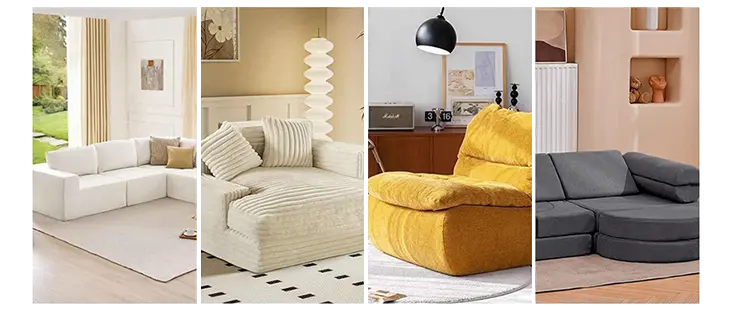
KINGSEN is dedicated to providing superior service.
Welcome tocontact us with any questions or inquiries.